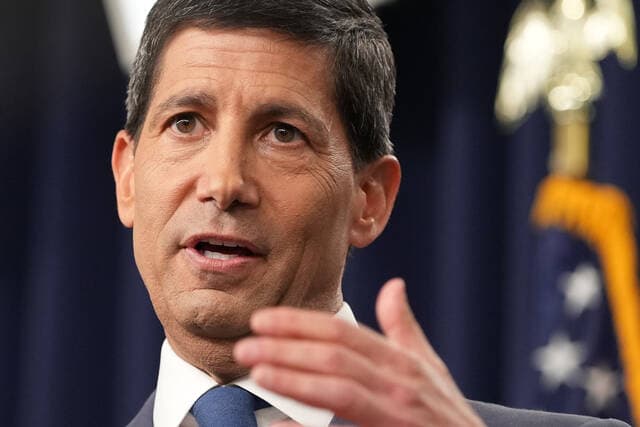
Photo via Fortune
According to Fortune, Nobel Prize-winning economist Joseph Stiglitz has raised concerns about artificial intelligence's role in exacerbating wealth inequality. While acknowledging AI's potential to automate jobs across sectors, Stiglitz points to a troubling paradox: the tech entrepreneurs championing these advances are simultaneously pushing for scaled-back government regulation and social safety nets.
Stiglitz's critique centers on what he describes as a fundamental contradiction in tech leadership's position. As AI adoption accelerates across industries—from manufacturing and logistics to customer service and professional services—workers face genuine displacement risks. Yet the same vocal advocates for AI deployment often oppose the government interventions and worker protections that could cushion economic disruption.
For Dallas business leaders, this dynamic carries regional relevance. The Dallas-Fort Worth area has seen significant tech sector growth, with companies across finance, telecommunications, and professional services investing heavily in AI and automation. The tension Stiglitz identifies between innovation and worker protection presents real questions for local employers about their responsibilities during technological transitions.
The economist's argument suggests that without proactive policy measures—from retraining programs to progressive taxation—AI-driven productivity gains will concentrate among a narrow tech elite while broader workforce displacement goes unaddressed. His view challenges Dallas business leaders to consider not just competitive advantages of automation, but also the social and economic sustainability of rapid technological change.