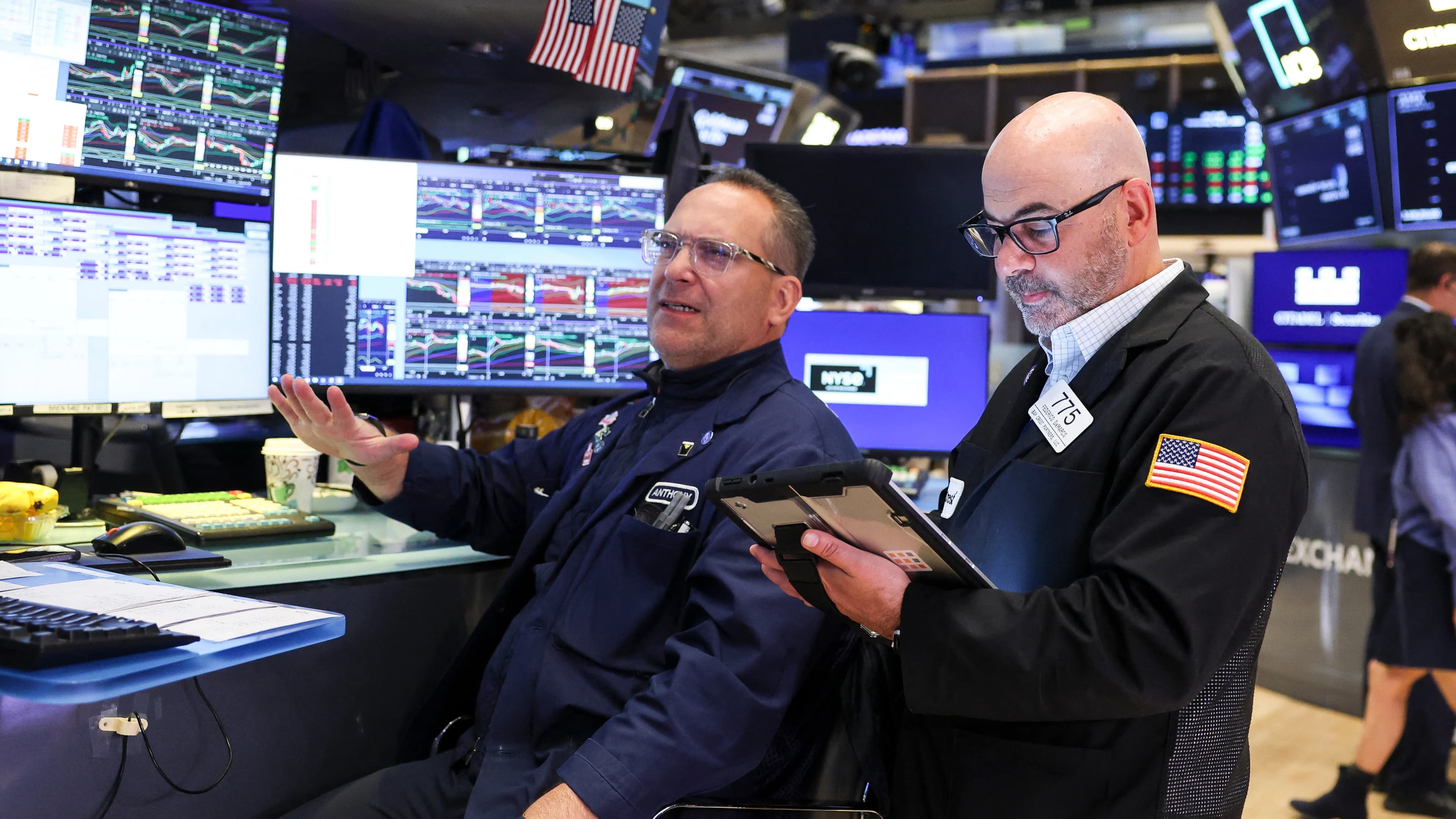
Photo via Inc.
The Federal Reserve's core Personal Consumption Expenditures index, the central bank's preferred inflation measure, recently climbed to its highest level in three years, signaling persistent price pressures that could trouble Dallas-area businesses and consumers alike. According to Inc., this uptick comes at a delicate moment when economic growth appears uneven, raising concerns about the possibility of stagflation—a toxic combination of stagnant growth and rising inflation.
Market analysts point out that a robust rally in artificial intelligence stocks and technology investments has largely distracted investors from these underlying economic vulnerabilities. The AI boom has buoyed tech-heavy portfolios and created enormous enthusiasm in startup ecosystems, including Dallas's own emerging tech hub. However, this concentration of attention on high-growth sectors may be obscuring broader economic challenges that could eventually impact diverse industries across North Texas.
For Dallas business leaders, the implications are significant. Companies in traditional sectors—retail, manufacturing, logistics, and real estate—may face compressed margins if inflation persists while consumer demand weakens. Rising costs for labor, materials, and energy could outpace revenue growth, particularly for mid-market firms that lack pricing power. Dallas's energy sector, a historic economic driver, could see both tailwinds from industrial demand and headwinds from volatile commodity markets.
The current environment demands vigilance from local executives. While the AI narrative remains compelling and venture capital continues flowing into promising tech ventures, prudent business planning should account for the possibility that the broader economy may not sustain its current trajectory indefinitely. Diversification, cost discipline, and scenario planning are increasingly prudent strategies for Dallas companies navigating this uncertain period.