Photo via News Pub
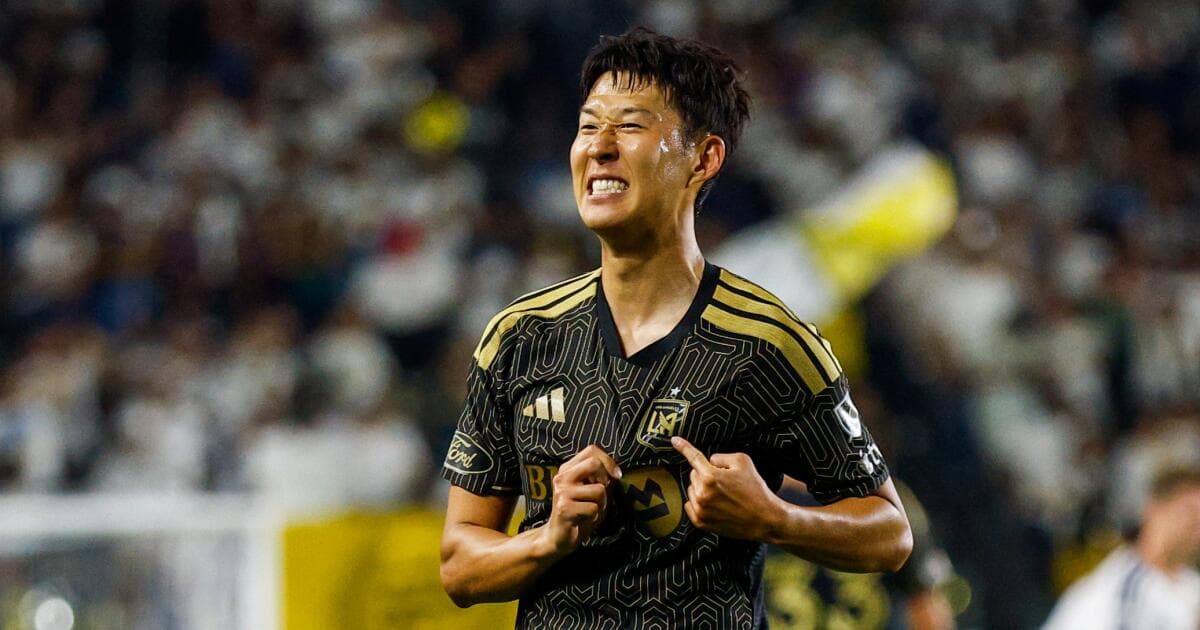
When Los Angeles FC signed South Korean star Son Heung-Min for a record $26 million transfer fee, the club made more than a sports investment—it made a statement about redemption and organizational confidence. According to the source commentary, Son's ability to bounce back from disappointment demonstrates principles that resonate across Dallas's competitive business landscape: the importance of backing talented individuals through difficult periods and understanding that setbacks are temporary chapters in longer success stories.
For Dallas business leaders, Son's trajectory offers a valuable case study in talent management and organizational culture. Major acquisitions—whether in sports franchises, tech startups, or corporate expansions—require faith in individuals to overcome adversity. The decision to invest $26 million signals that LAFC believes in Son's character and capabilities beyond current circumstances. This mirrors how Dallas companies in competitive sectors like technology and finance must evaluate talent holistically, recognizing that temporary underperformance doesn't define long-term potential.
The broader lesson extends to how organizations communicate with stakeholders during transitions. Son's signing represents a narrative of hope—positioning both the player and the franchise toward future success rather than dwelling on past disappointment. Dallas business executives navigating market volatility, leadership changes, or industry disruption can apply this principle: strategic messaging about recovery and renewed purpose builds confidence among employees, investors, and customers.