Photo via Fast Company
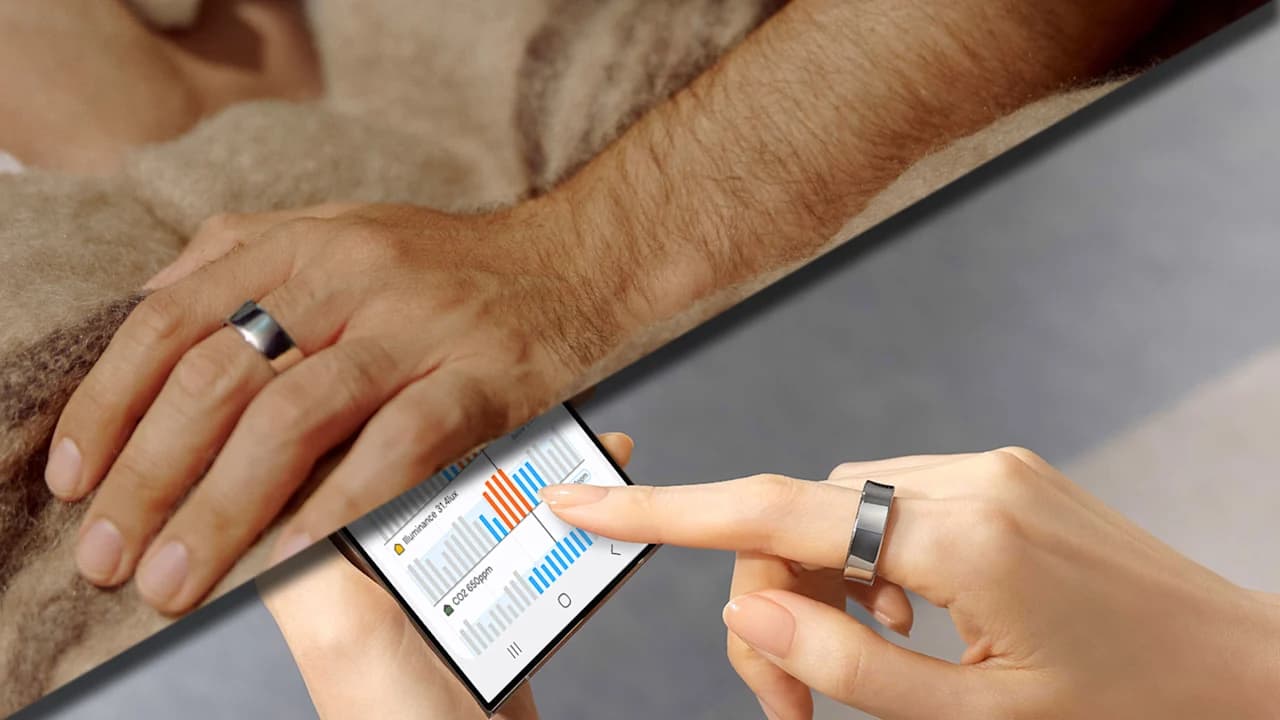
The wearable technology landscape is shifting in subtle but significant ways. While smartwatches have dominated the market for years, smart rings are emerging as a discrete health-monitoring alternative for professionals who want to track biometric data without the constant notifications and visual distraction of a full computing device on their wrist. According to Fast Company's analysis, this category has evolved from an experimental niche into a legitimate hardware battleground with serious sensor capabilities.
The market now presents distinct approaches to monetization and platform integration. Premium players like Oura Ring 4 ($349 plus $5.99 monthly subscription) emphasize a software-first model with advanced metabolic insights, while Samsung Galaxy Ring ($399, no fees) leverages its ecosystem advantage for Android users. Meanwhile, value-focused competitors like RingConn Gen 2 Air ($199) and Amazfit Helio Ring ($149) challenge the incumbents by eliminating subscription costs and offering practical battery life that extends to 10 days between charges.
For Dallas business professionals considering a smart ring purchase, the choice depends on existing tech ecosystems and use cases. Those embedded in Samsung's Android environment may find the Galaxy Ring's integrated gesture controls and Energy Score compelling. Conversely, executives seeking deeper health analytics—particularly those interested in metabolic tracking and circadian rhythm optimization—might prefer specialized options like Ultrahuman Ring AIR, which integrates with continuous glucose monitors and biohacking tools.
The broader implication is that future wearables may not prioritize "one device does all," but rather embrace a distributed sensor network that works seamlessly across multiple tools. This modular approach could appeal to Dallas entrepreneurs and corporate wellness programs looking to implement flexible health-monitoring solutions that adapt to individual preferences rather than forcing users into predetermined ecosystems.