Photo via Fortune
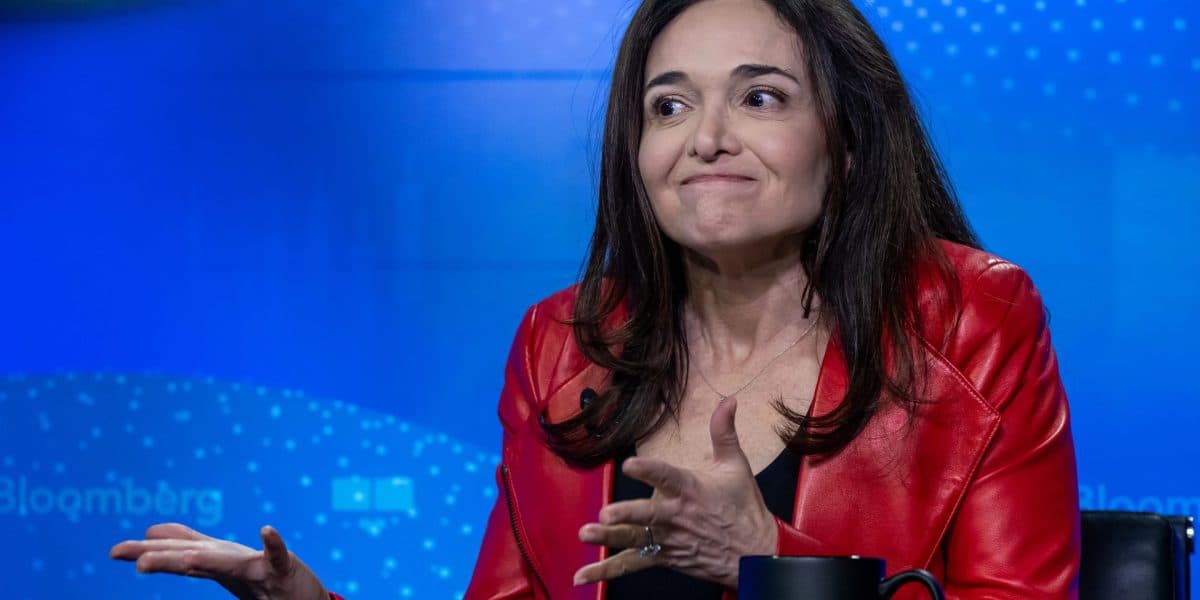
The traditional career playbook—map out your next decade, climb the ladder methodically, execute the plan—may no longer serve today's workforce. According to Fortune, former Meta COO Sheryl Sandberg recently cautioned Generation Z against locking themselves into rigid career trajectories, arguing that the rapid pace of technological change, particularly the rise of artificial intelligence, has fundamentally altered the employment landscape.
Sandberg pointed to her own career as evidence. Had she adhered to a predetermined 10-year plan, she suggested, she would have missed the internet boom entirely—the technological shift that ultimately defined her professional trajectory. Her message resonates particularly in Dallas, where tech companies and traditional enterprises alike are grappling with AI integration and the resulting reshaping of job categories.
The emergence of AI threatens to automate many entry-level positions that historically served as career launchpads for young professionals. This shift creates both a challenge and an opportunity: workers must develop adaptive skills and remain open to pivoting roles rather than following linear paths. For Dallas business leaders, this means rethinking talent development and mentorship strategies to help emerging professionals build resilience and versatility.
Rather than scripting careers in advance, Sandberg advocates for intentional flexibility—staying alert to emerging opportunities while maintaining core competencies. For professionals in the Dallas area navigating this uncertain landscape, the message is clear: cultivate learning agility, remain curious about adjacent industries and roles, and view unexpected pivots not as career failures but as strategic repositioning in an evolving economy.