Photo via Fortune
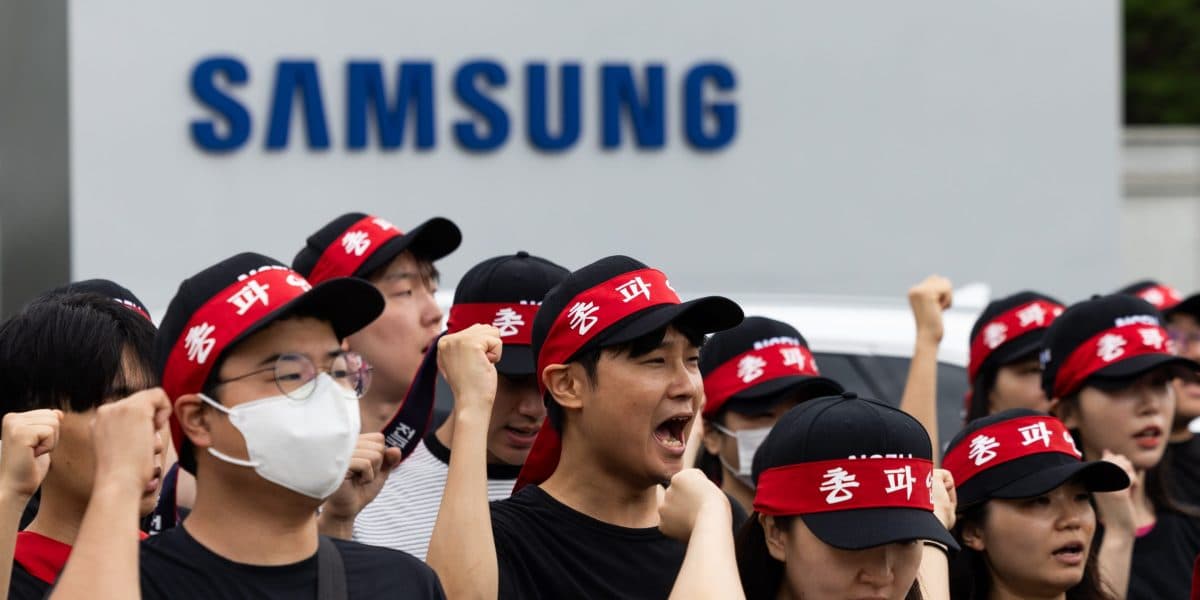
A strike involving nearly 45,000 workers at Samsung Electronics' memory chip manufacturing facilities poses significant risks to the global semiconductor supply chain, according to Fortune. The labor action targets Samsung's DRAM and NAND flash memory production, components that form the backbone of artificial intelligence infrastructure and data center buildouts across North America.
For Dallas-area technology firms and corporations relying on cutting-edge semiconductor components—from cloud services to AI development—the disruption could create sourcing bottlenecks and potentially drive up equipment costs. Samsung supplies memory chips to major cloud providers and technology manufacturers that serve or operate in the Dallas region, making supply chain stability a local business concern.
The strike's impact extends beyond immediate production halts. Prolonged labor action could delay new chip production capacity at a critical moment when global demand for AI-grade semiconductors continues accelerating. Companies planning infrastructure investments or AI system deployments may face longer procurement timelines and elevated pricing pressure.
Industry observers suggest the situation underscores ongoing supply chain vulnerabilities in semiconductor manufacturing. Dallas businesses dependent on consistent chip availability should monitor developments closely and consider diversification strategies with alternative suppliers to mitigate potential operational disruptions.