Photo via Entrepreneur
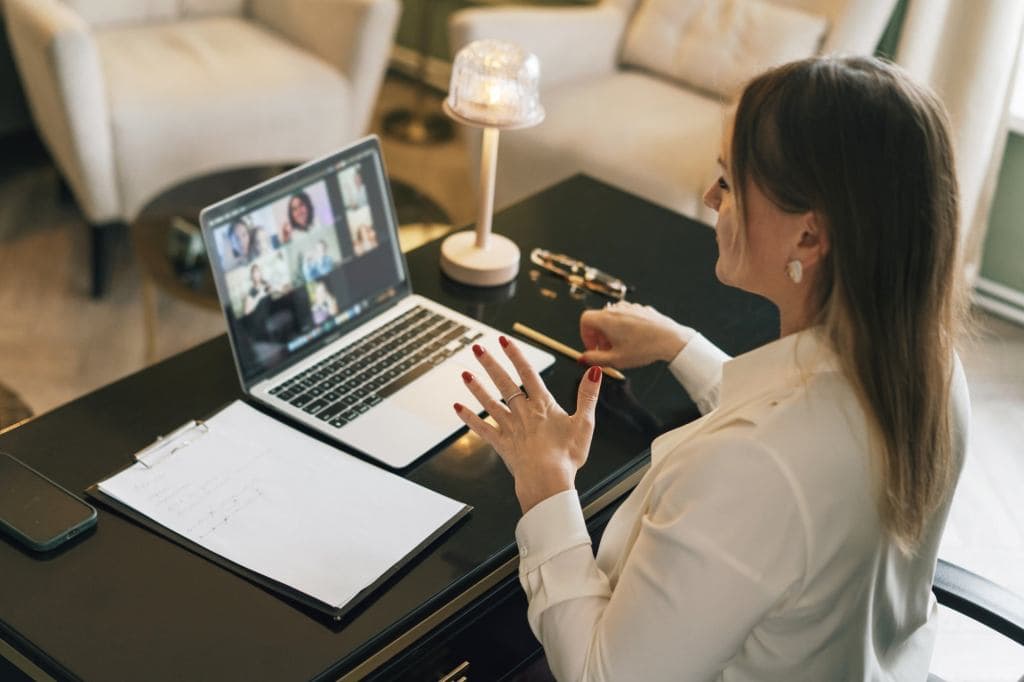
The remote work experiment that began as a crisis response has evolved into a strategic business decision for many Dallas-area organizations. According to Entrepreneur, companies that have survived and thrived in this environment have moved beyond simply allowing employees to work from home—they've fundamentally rethought how they measure success and maintain accountability. This shift represents a meaningful departure from the command-and-control management styles that dominated pre-pandemic workplaces.
The key to sustainable remote work, research suggests, lies in establishing clear performance expectations and outcome-based metrics rather than time-at-desk supervision. Dallas tech firms and professional services companies have discovered that when managers focus on deliverables and project completion rather than hours logged, employee productivity often exceeds in-office benchmarks. This approach requires more intentional communication and trust-building, but the payoff justifies the effort investment.
Companies implementing this balanced model report stronger employee retention, improved morale, and access to talent pools that extend far beyond the Dallas metroplex. By decoupling location from employment, regional businesses can compete for top talent regardless of whether candidates want to work from Preston Hollow or the suburbs. This geographic flexibility has proven particularly valuable for Dallas startups and growing mid-market firms seeking specialized skills.
For Dallas business leaders considering or refining their remote work policies, the message is clear: flexibility without accountability breeds chaos, but accountability without flexibility limits engagement and innovation. The most successful organizations are those that invest in robust communication systems, transparent goal-setting frameworks, and regular check-ins that emphasize outcomes over outputs. This balanced approach isn't just better for employees—it's proving to be better for the bottom line.