Photo via Dallas Observer
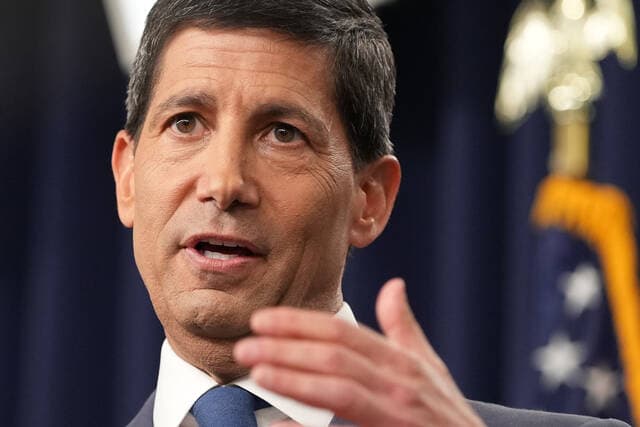
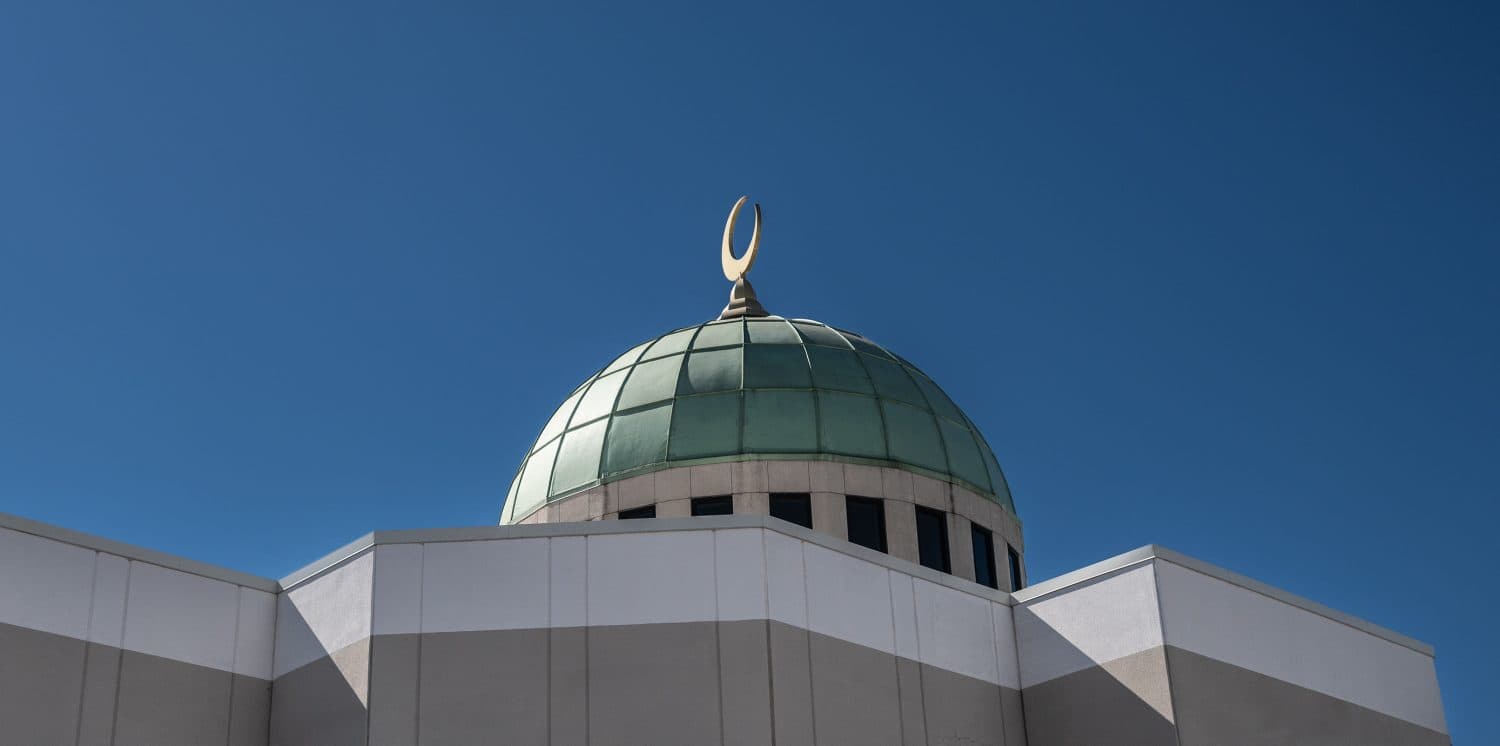
According to Dallas Observer reporting, a proposed mosque development in McKinney has surfaced as a contentious issue in this year's congressional reelection campaign, with religious liberty and community development concerns intersecting with political messaging. The project has drawn scrutiny from local officials and regional political figures, bringing attention to how North Texas communities navigate religious diversity and municipal planning decisions.
The mosque proposal reflects broader demographic shifts across the Dallas-Fort Worth region, where rapid growth has brought increasing religious diversity to traditionally Protestant-majority suburbs. McKinney and surrounding areas have experienced significant population increases over the past decade, creating both opportunities and tensions as new communities seek to establish places of worship and gather spaces. How local leaders address such development proposals affects business climate perceptions and community stability in competitive suburban markets.
For Dallas-area business leaders and developers, the controversy underscores the importance of understanding local political currents and community sentiment when evaluating commercial and religious development opportunities. Real estate professionals, municipal planners, and business stakeholders in North Texas increasingly find themselves navigating religious accommodation issues as part of standard development review processes, making public discourse around such projects particularly relevant to the region's ongoing growth and business environment.