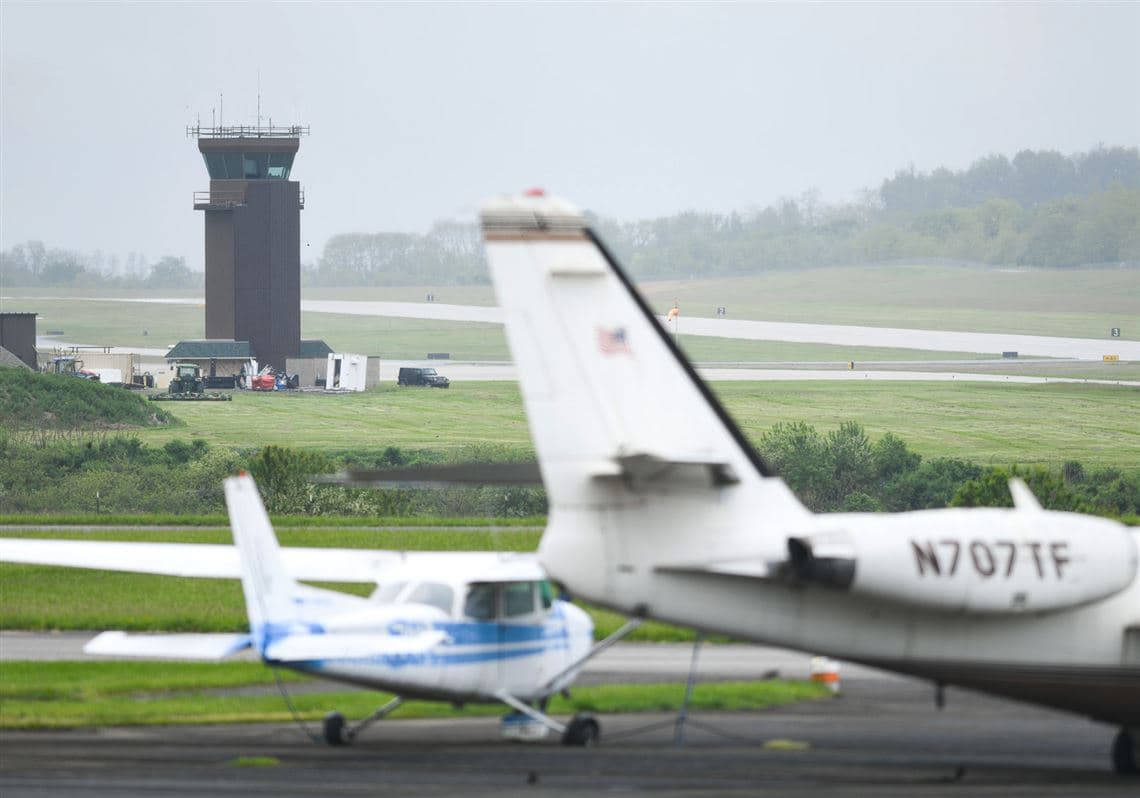
Photo via Pittsburgh Post-gazette
According to the Pittsburgh Post-Gazette, the departure of Spirit Airlines from Latrobe Regional Airport represents a significant setback for the Pennsylvania community, illustrating a broader challenge facing secondary airports across North America. Regional aviation hubs increasingly depend on low-cost carriers to maintain service routes and passenger traffic, making them vulnerable when those airlines adjust their networks or face financial pressures. For Dallas-area airports like Dallas Love Field and smaller regional facilities, this dynamic raises important questions about carrier diversification and long-term sustainability.
Secondary airports often lack the passenger volume and revenue base of major metropolitan hubs, forcing them to compete aggressively for airline partnerships. When a primary carrier exits, the economic ripple effects extend beyond the airport itself—impacting ground transportation services, hotel occupancy, car rentals, and local business travel patterns. Dallas's regional airports have worked to build relationships with multiple carriers to mitigate this risk, recognizing that over-reliance on any single airline operator creates existential vulnerability.
Community leaders in affected regions typically respond by investing in terminal improvements, offering incentive packages, or pursuing new carrier partnerships to restore service. However, these efforts require sustained commitment and capital investment. The Latrobe situation demonstrates that even established regional airports cannot assume their carrier relationships are permanent, particularly in an industry where route profitability and fleet optimization drive decision-making.
For Dallas-area business leaders and airport authorities, the lesson is clear: fostering a resilient aviation ecosystem requires proactive engagement with multiple carriers, investment in terminal infrastructure, and understanding the economic fundamentals that make routes attractive to operators. As regional air travel continues evolving post-pandemic, communities that build adaptable, multi-carrier networks will be better positioned to weather inevitable market shifts.