Photo via Dallas Observer
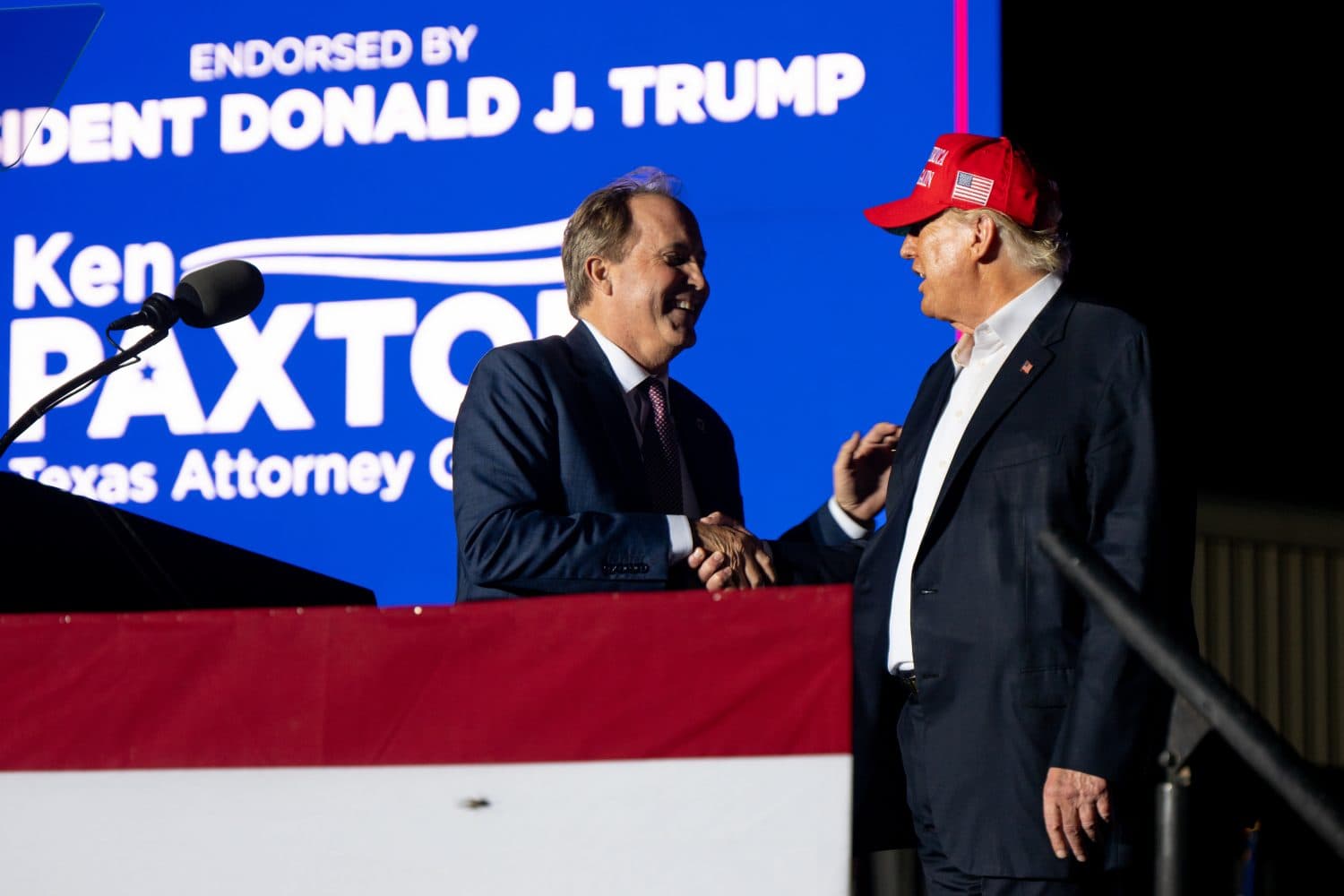
According to Dallas Observer analysis, American voters increasingly prioritize partisan affiliation over candidate character when making electoral decisions. This trend suggests that voters are willing to overlook personal or professional misconduct if they view the opposing party as a greater threat to their interests. The phenomenon has significant implications for Texas, where Attorney General Ken Paxton is among candidates expected to advance despite facing ongoing legal challenges.
For Dallas-area business leaders, this political dynamic carries practical consequences. State-level decisions on regulatory policy, litigation strategy, and business-friendly legislation often depend on who holds statewide office. When voters prioritize party loyalty over individual candidate qualifications, it can create uncertainty about whether future leaders will have the focus and credibility needed to effectively manage complex policy decisions affecting commerce, employment, and corporate accountability.
The 2026 midterms will test whether Texas voters continue this pattern of partisan voting or reassert traditional standards for public officials. Business stakeholders in North Texas should monitor how these elections shape the state's regulatory environment, as the outcome will likely influence everything from commercial litigation practices to industry-specific policy for years to come.