Photo via Fortune
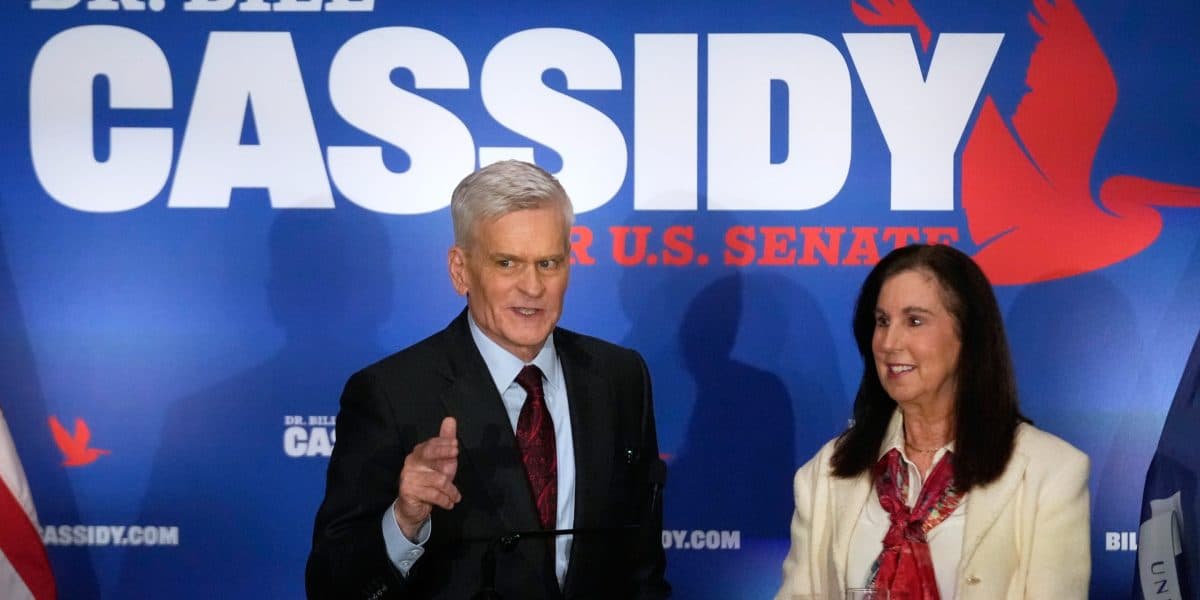
The political landscape continues to shift in ways that reverberate beyond Washington into corporate boardrooms and business circles across the country. According to Fortune, Senator Bill Cassidy's loss in his primary election—despite outspending his opponents by nearly two-to-one—underscores the deepening partisan divides that business leaders must navigate. His defeat followed his vote to convict during the January 6 impeachment proceedings, a decision that crystallized the political costs of breaking ranks with party leadership.
For Dallas-area business executives, Cassidy's experience offers a cautionary lesson about the intersection of personal conviction and political survival. The senator's substantial financial advantage proved insufficient to overcome grassroots backlash, suggesting that traditional campaign metrics may no longer predict electoral outcomes in an era of high political polarization. Business leaders weighing public stances on divisive issues should consider how such decisions might affect their professional standing and market position.
Unlike several colleagues who quietly stepped aside after voting against impeachment, Cassidy chose to fight for reelection, betting that his record and resources would protect him. That calculation proved wrong, signaling that political constituencies increasingly demand unwavering loyalty on high-profile issues. This dynamic has implications for corporate political engagement and how companies navigate their leaders' public positions on controversial matters.
The broader takeaway for Texas business leaders is that the political environment has become less forgiving of nuance and compromise. As corporate governance increasingly intersects with political identity, business professionals should prepare for a landscape where past decisions receive heightened scrutiny and where institutional loyalty alone may not shield against backlash.