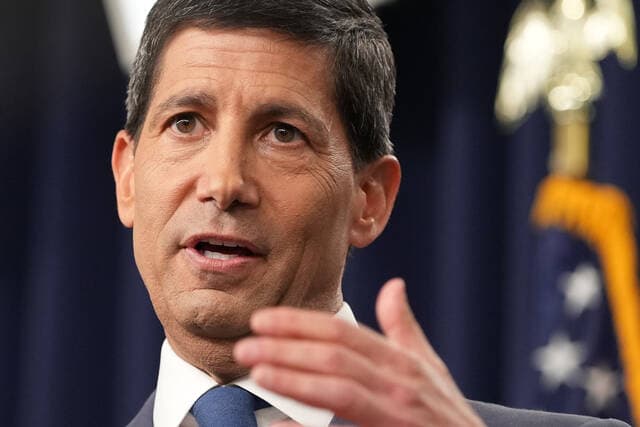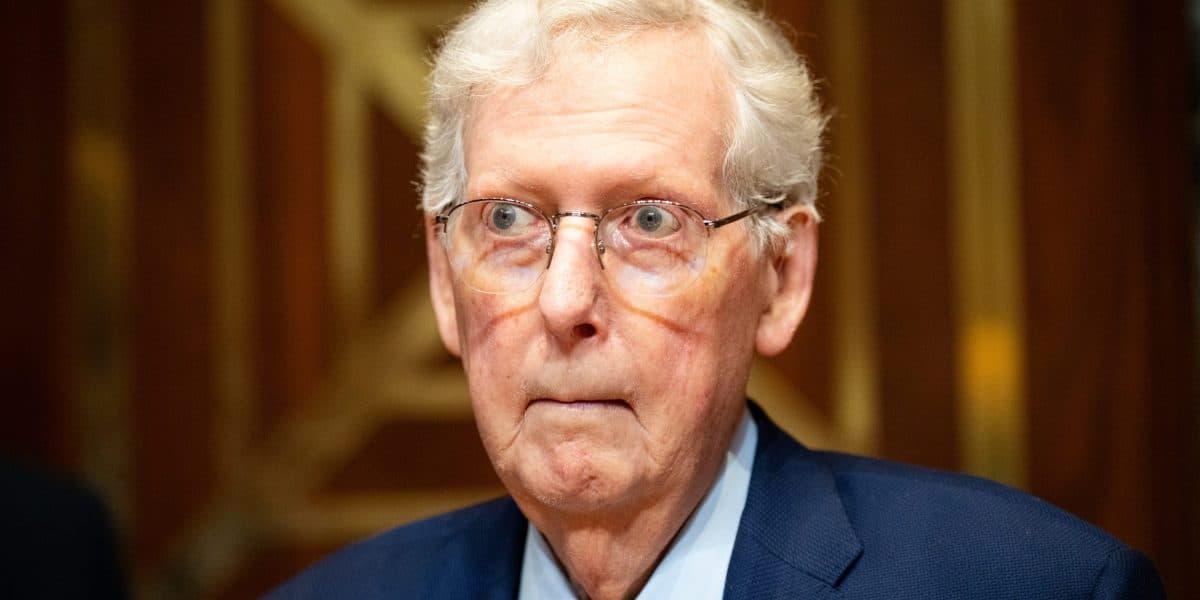
Photo via Fortune
A controversial $1.8 billion legal defense initiative has created an unexpected rift within Republican leadership, with prominent figures publicly questioning both its wisdom and ethical foundation. According to Fortune, the proposal has drawn sharp criticism from senior party members who view it as problematic on multiple fronts, signaling deepening divisions within conservative ranks that could have downstream effects on business policy and regulatory clarity.
The backlash highlights growing concerns among establishment Republicans about the direction of party priorities and governance. Critics argue the fund's structure and stated purpose raise fundamental questions about accountability and the appropriate use of public resources. These internal disagreements underscore the broader political uncertainty that Dallas business leaders monitor closely when assessing regulatory environments and potential policy shifts at the federal level.
For Dallas-area companies and investors, political instability and conflicting messages from party leadership can complicate long-term planning and capital allocation decisions. When major political figures publicly distance themselves from significant policy proposals, it often signals underlying governance challenges that eventually ripple through business sectors ranging from energy to technology to real estate development.
The controversy reflects broader debates about governmental priorities and fiscal responsibility that resonate with Texas business interests. As these political divisions deepen, Dallas executives will likely continue watching for clearer direction on key issues affecting corporate operations, regulatory compliance, and investment climate stability in the state and region.