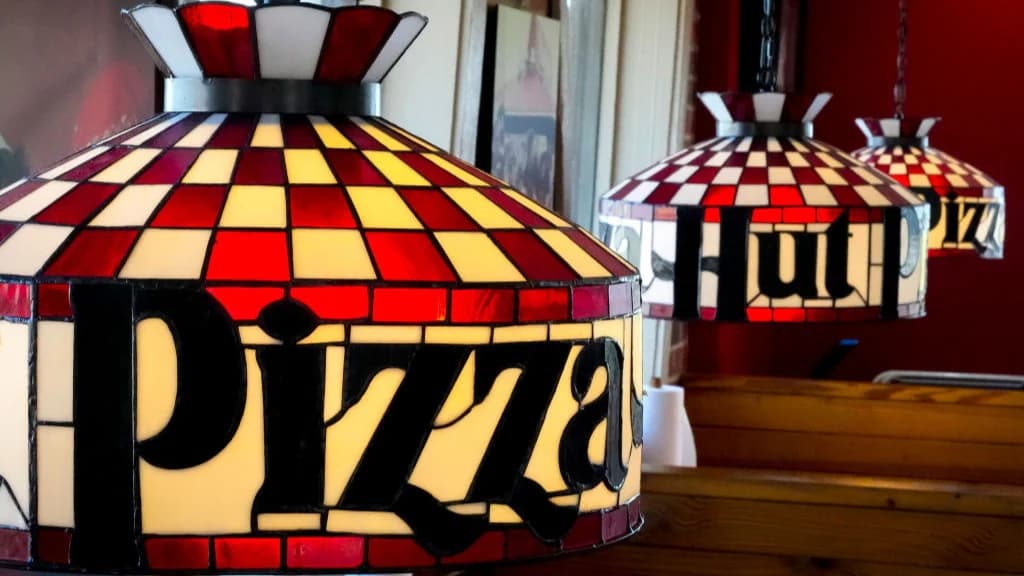
Photo via Inc.
Pizza Hut, the Wichita-founded chain that revolutionized casual dining across America, is staging a comeback by leaning into its own heritage. According to Inc., company leader Tim Sparks has spearheaded a nostalgic rebranding effort that taps into 1980s aesthetics and cultural touchstones, a strategy designed to rebuild brand relevance in a crowded quick-service restaurant market.
The retro-focused approach represents a calculated shift in how the chain engages customers. Rather than chasing modern fast-casual trends, Pizza Hut is doubling down on the experiences that made it a destination—the arcade games, the distinctive red roofs, and the casual gathering-place atmosphere that defined decades of American dining culture. This positioning differentiates the brand in a landscape where nostalgia-driven marketing has proven effective for multiple restaurant concepts.
For Dallas-area business observers, the Pizza Hut strategy offers a case study in brand repositioning. The chain's corporate presence remains significant in Texas, and the success or failure of this retro pivot could influence how other legacy regional and national brands approach their own identity challenges. The campaign demonstrates that acknowledging a company's roots—rather than running from them—can create genuine emotional connections with both longtime patrons and younger customers seeking authentic experiences.
Early indicators suggest the strategy is gaining traction, according to the Inc. report, with increased customer engagement and foot traffic attributed to the nostalgic messaging. As Pizza Hut continues executing this vision, the broader retail and hospitality sectors will be watching to see whether retro branding can be a sustainable growth engine for established players facing modern competitive pressures.