Photo via Fortune
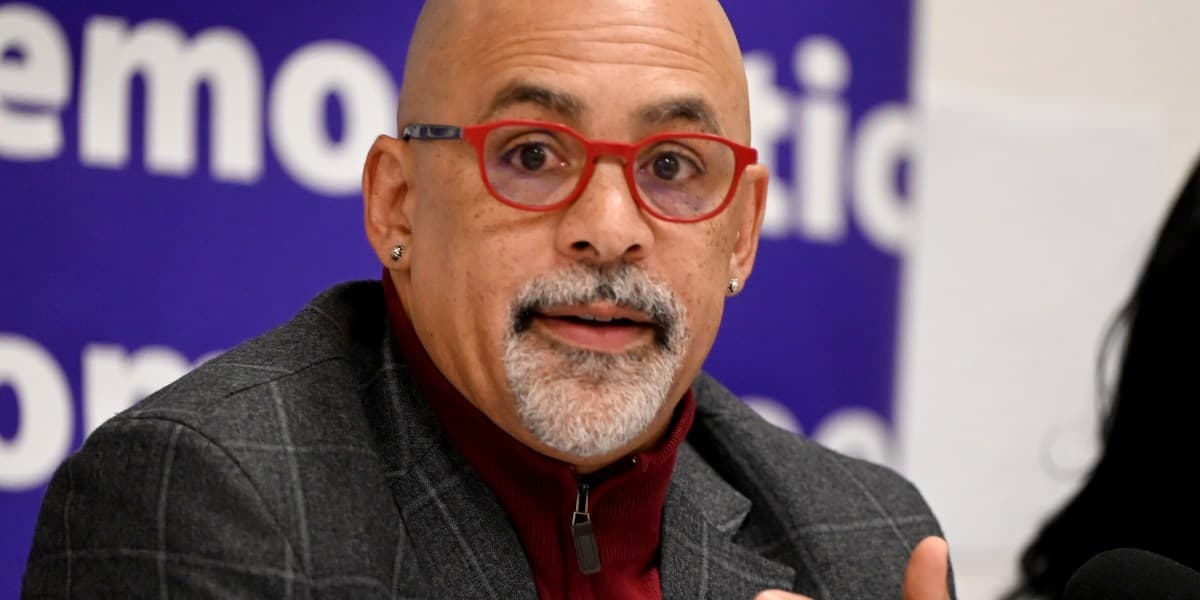
Chris Rabb's commanding 15-point victory in a Philadelphia election has sparked conversation about the effectiveness of establishment political systems, according to Fortune. The 55-year-old self-described 'proud troublemaker' attributed his success to the failure of traditional political mechanisms to serve constituents effectively. For Dallas-area business professionals, this outcome underscores a broader pattern of voter skepticism toward conventional political approaches across major U.S. cities.
Rabb's victory margin suggests that challengers to establishment candidates can succeed when they clearly articulate an alternative vision, even in traditionally competitive political environments. According to the source, he believed that if the current system truly functioned, such an upset would have been impossible. This dynamic reflects growing frustration with political incumbents in urban centers nationwide, which could influence business policy and regulatory environments.
For Dallas business leaders, Philadelphia's political realignment serves as a case study in shifting voter priorities. Cities experiencing similar demographic and economic changes may see comparable challenges to established political power structures. Understanding these trends can help companies anticipate regulatory changes, workforce composition shifts, and community engagement priorities in major markets.
As American cities navigate evolving political landscapes, businesses must remain adaptable to changing governance priorities. The Philadelphia race demonstrates that traditional political strength no longer guarantees electoral success, a lesson relevant to corporate stakeholders monitoring policy developments across major metropolitan areas including Dallas.