Photo via Entrepreneur
In the competitive Dallas business landscape, companies often pursue operational efficiency as a primary driver of customer satisfaction. Yet a growing body of business practice suggests that the most memorable customer experiences frequently stem from deliberate inefficiencies—moments that require time, attention, and personalization. One emerging lesson from businesses across industries is that handwritten notes, personal touches, and individualized gestures create emotional connections that polished, automated processes simply cannot replicate.
The economics of this approach seem counterintuitive to traditional business logic. Handwritten communication takes significantly more time than templated emails or automated messages. It doesn't scale easily. It requires training staff to identify moments worth personalizing. From a pure cost-per-customer perspective, these practices appear wasteful. Yet companies implementing such strategies report that these 'inefficient' moments become the touchstones customers reference months or years later—the reasons they return and recommend a business to others.
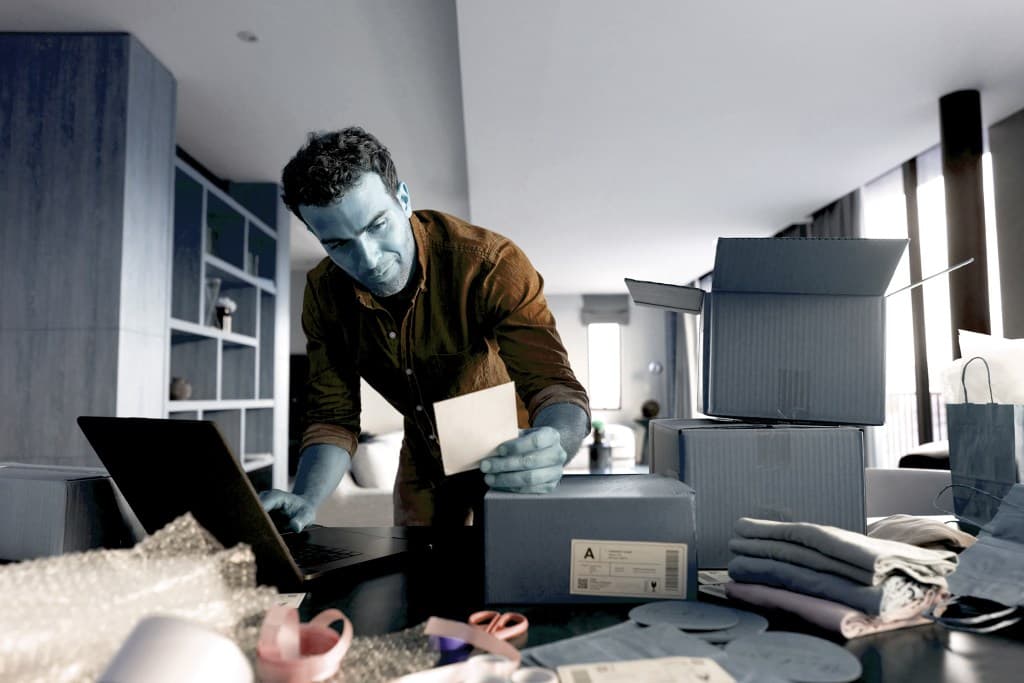
For Dallas-area businesses, from retail operations to professional services firms, this principle offers a competitive differentiator in a market where price and convenience are increasingly commoditized. Customers have countless options for faster, cheaper service delivery. What they struggle to find is genuine human attention. Leaders who strategically build in moments of deliberate personalization—whether through handwritten notes, personalized packaging, or individual follow-ups—are discovering that these investments in perceived inefficiency actually become their most cost-effective loyalty drivers.
The lesson extends beyond customer service into broader organizational culture. When businesses give employees permission to slow down and personalize experiences, those employees often report greater job satisfaction and stronger connections to company mission. For Dallas business leaders weighing operational investments, the data increasingly suggests that sometimes the most logical strategy is embracing the inefficient moments that make customers feel genuinely valued.