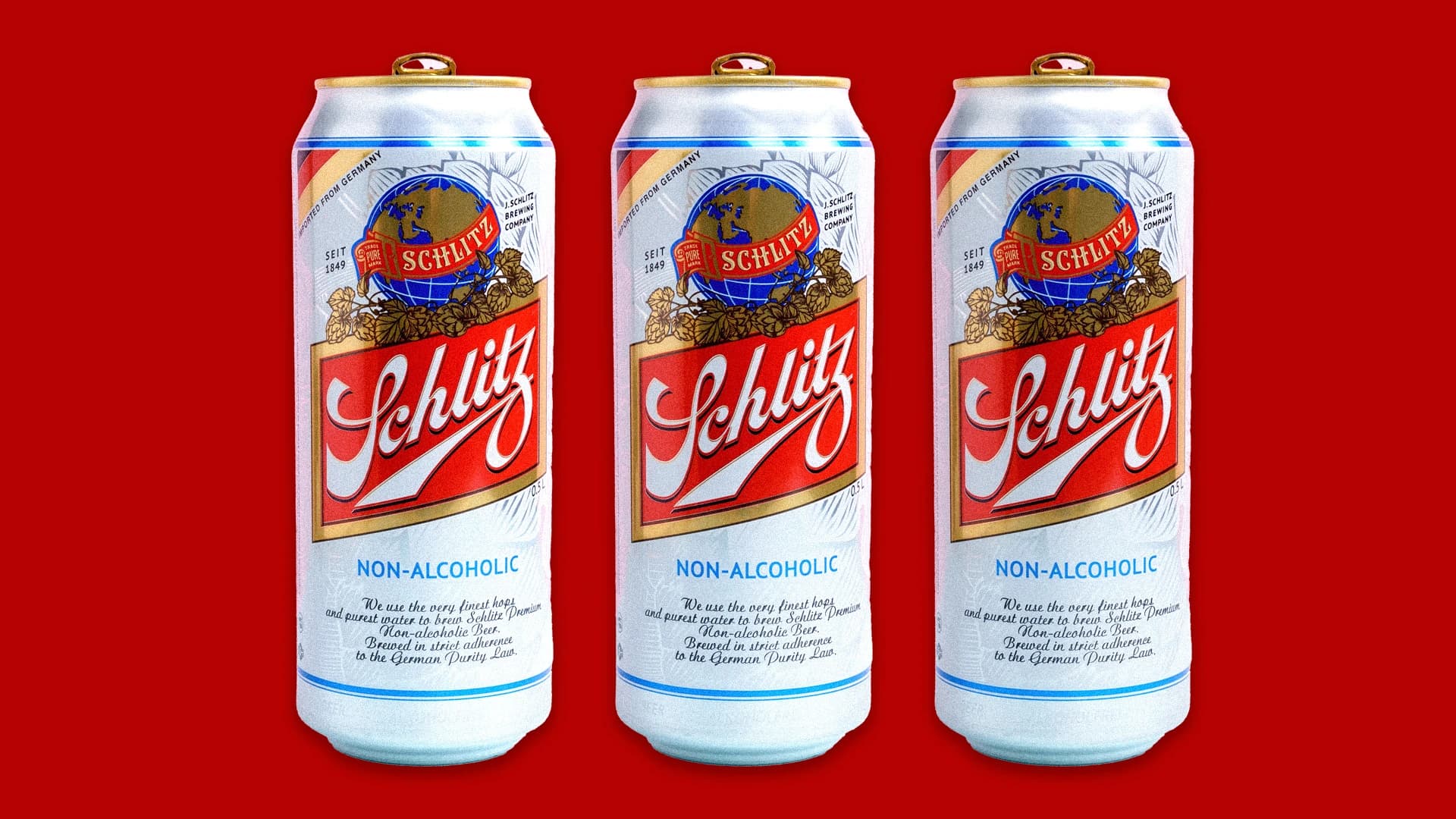
Photo via Inc.
Pabst Brewing Company has announced it will cease production of Pabst Blue Ribbon, the iconic Milwaukee lager that spent decades as the world's best-selling beer. According to Inc., the decision marks the end of a 177-year legacy for a brand synonymous with American brewing heritage. The move reflects intensifying pressures on legacy beverage manufacturers as consumer preferences shift toward craft beers, hard seltzers, and non-alcoholic alternatives.
The discontinuation of Pabst Blue Ribbon underscores a broader reckoning across the brewing industry, where established players struggle to compete in an increasingly fragmented market. Large regional and national brewers have faced declining sales volumes as younger consumers gravitate toward independent craft breweries and emerging beverage categories. This transformation has forced even storied companies to reconsider their product portfolios and market positioning.
For Dallas-area businesses and investors tracking beverage industry trends, Pabst's situation offers a cautionary tale about brand longevity and market adaptation. Texas has emerged as a significant hub for craft brewing innovation, with hundreds of independent breweries operating across the state. The contrast between Pabst's decline and the vitality of smaller regional producers demonstrates how agility and product differentiation increasingly outweigh historical brand recognition.
The closure also raises questions about what legacy brands must do to remain relevant in competitive markets. While Pabst's decision appears final, the broader lesson for established companies—whether in beverages or other industries—is that maintaining market share requires continuous innovation, clear positioning, and responsiveness to evolving consumer demands. As the Dallas business community watches consumer staples companies navigate similar transitions, the Pabst story serves as a reminder that heritage alone cannot sustain long-term competitive advantage.