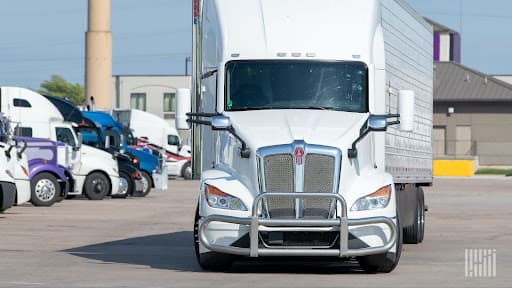
Photo via FreightWaves
The choice between owning and leasing commercial trucks is far more than an operational decision—it's a financial and tax strategy that can meaningfully affect your bottom line. According to FreightWaves, the tax mathematics behind this decision varies considerably depending on factors including your business entity type, annual taxable income, and how Texas aligns with federal tax law. For Dallas-based fleet operators and independent truckers, understanding these nuances is essential before making capital commitments.
Each approach offers distinct tax advantages. Vehicle ownership typically allows for depreciation deductions, Section 179 expensing, and bonus depreciation opportunities that can reduce taxable income over time. Conversely, leasing arrangements may provide immediate operational expense deductions that lower your current-year tax burden. The optimal strategy depends on your specific financial picture and whether you expect higher or lower income in coming years.
Texas business owners should note that state tax conformity with federal rules plays a crucial role in this calculation. Your entity structure—whether you operate as a sole proprietor, LLC, S-Corp, or C-Corp—also significantly impacts which deductions you can claim and how they flow through your tax return. What makes sense for one business structure may not work for another, making professional tax counsel invaluable.
Given the complexity of fleet financing decisions, Dallas business owners should consult with a tax professional who understands both federal regulations and Texas-specific requirements before deciding whether to own or lease. The difference between these two approaches could represent thousands of dollars annually in tax liability, making expert guidance well worth the investment.