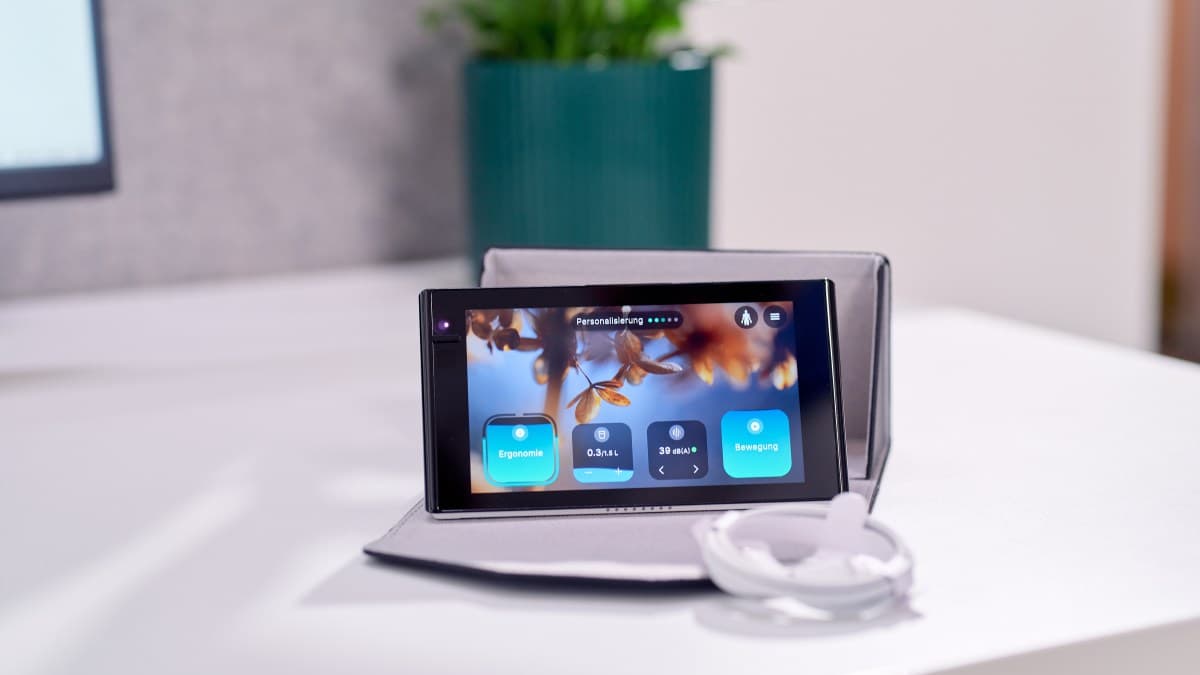
Photo via TechCrunch
As remote and hybrid work arrangements remain prevalent across Dallas offices, employee wellness has become a priority for many organizations. According to TechCrunch, Deep Care has introduced a desk-based device designed to address one of the most common workplace health concerns: poor posture. The product's offline-first approach sets it apart in a market often dominated by connected, data-hungry gadgets that raise privacy concerns.
The device costs $350, positioning it in the premium wellness technology segment that Dallas companies are increasingly willing to invest in as part of employee health initiatives. Unlike many modern workplace tools that rely on cloud connectivity and data collection, this gadget operates entirely offline, eliminating privacy considerations that have become more prominent in corporate purchasing decisions.
For Dallas-area businesses managing return-to-office transitions, posture-related issues have become more acute as employees adjust their home-office setups to traditional workspaces. The device's focus on movement habits and spinal alignment addresses ergonomic challenges that can lead to productivity losses and healthcare costs—concerns that resonate with local HR departments and benefits managers.
The offline functionality may appeal to Dallas companies in regulated industries such as healthcare and finance, where data security and privacy compliance are non-negotiable. As workplace wellness budgets continue to expand, employers evaluating posture-correction tools should consider how offline-only devices fit their broader technology and privacy strategies.