Photo via Fast Company
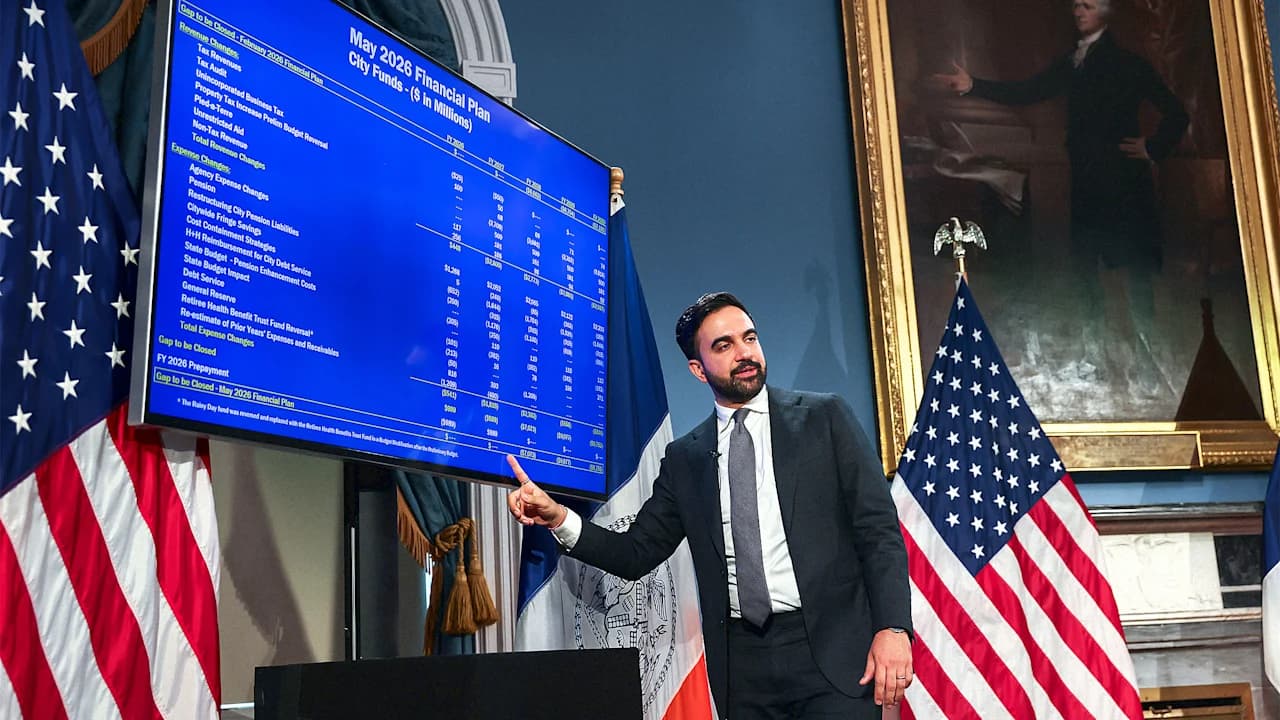
New York City Mayor Zohran Mamdani recently released a $124.7 billion budget proposal that closed a $12 billion deficit without cutting core services or raising property taxes across the board. According to Fast Company, his approach relied on three pillars: $8 billion in state assistance, $1.77 billion in operational savings through Chief Savings Officer appointments at city agencies, and targeted tax increases on high-net-worth individuals and luxury properties. For Dallas business leaders watching their own city navigate rapid growth and affordability pressures, Mamdani's fiscal strategy offers a case study in how progressive revenue policies can coexist with essential public investments.
The mayor's proposal prioritizes affordable housing development, universal childcare, and infrastructure—priorities that resonate with Dallas's own expansion challenges. However, his methods have drawn criticism from the business community, particularly after hedge fund Citadel CEO Ken Griffin announced plans to shift a $6 billion development from New York to Miami in response to proposed luxury property taxes. This exodus of high-net-worth residents and businesses raises a critical question for Texas leaders: can aggressive wealth-based taxation drive away the very economic engines cities rely on?
Mamdani's willingness to weather business pushback while delivering on campaign promises—including a two-percentage-point income tax increase on earners above $1 million annually, projected to raise $3 billion—demonstrates a particular leadership philosophy. According to the article, even Gov. Kathy Hochul questioned whether taxing the wealthy too aggressively might backfire, yet Mamdani proceeded. Dallas business leaders should consider whether their city's current tax and regulatory environment reflects a similar commitment to stated priorities or represents compromise.
The New York model presents both opportunity and caution for Dallas policymakers. By appointing Chief Savings Officers across city agencies and identifying nearly $2 billion in operational efficiencies, Mamdani demonstrated that fiscal discipline can precede tax increases. Yet the Citadel example suggests that Dallas—competing with other Sun Belt cities for corporate relocations—may need a different calculus. As the region continues growing, finding the balance between funding ambitious public goals and maintaining competitive business conditions will define the next generation of Dallas leadership.