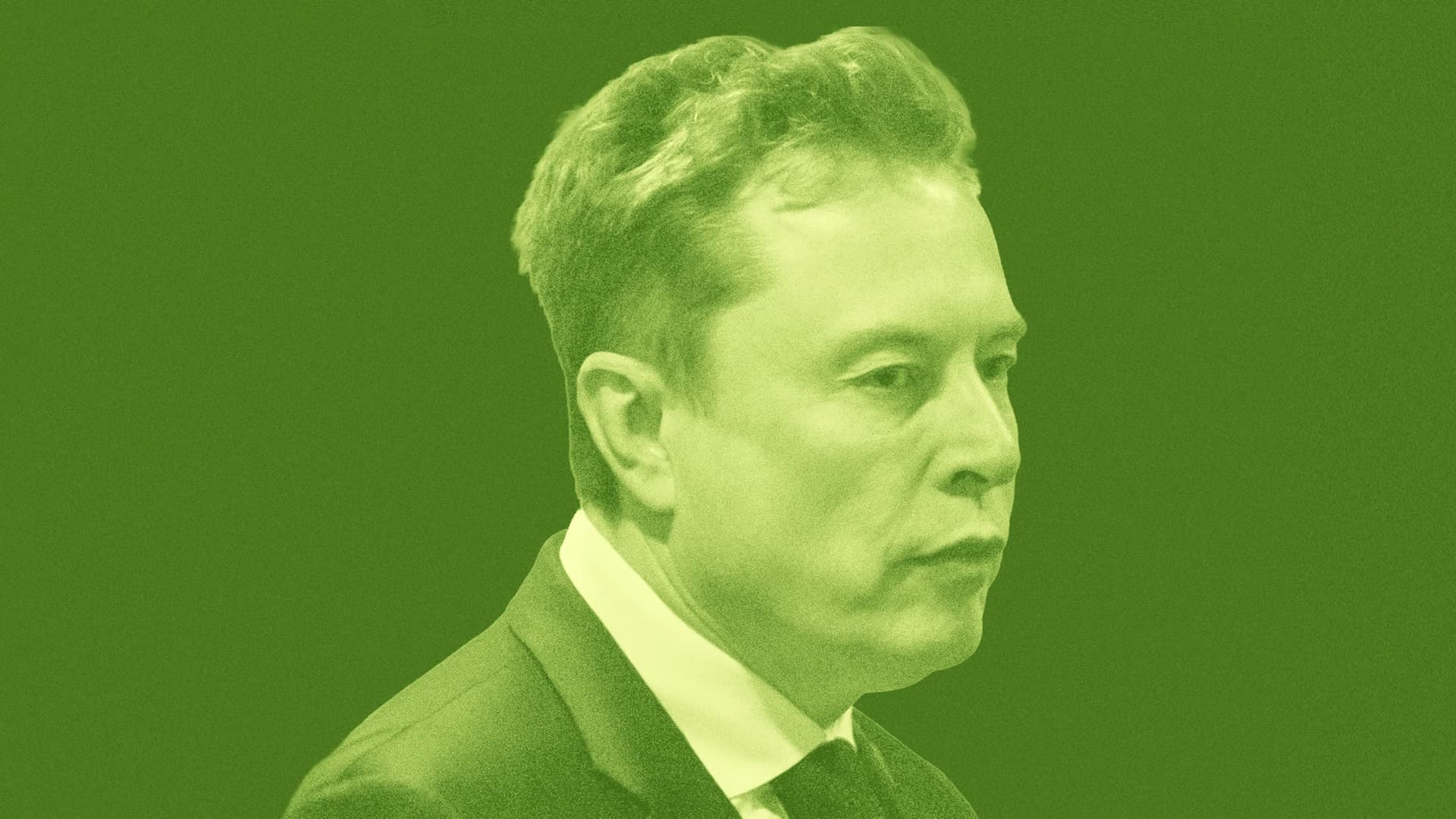
Photo via Inc.
In a significant legal setback, Elon Musk has lost his lawsuit against Sam Altman and OpenAI, according to Inc. The court ruling represents a major victory for the AI company and raises questions about the legal landscape surrounding artificial intelligence development and corporate disputes in the tech sector.
The case centered on allegations involving Altman and OpenAI, with Musk's legal team arguing various claims related to the company's direction and operations. However, both the judge and jury sided with OpenAI, rejecting Musk's position and validating the company's business practices and governance structure.
This verdict carries broader implications for the artificial intelligence industry, where high-profile disputes between founders and companies have become increasingly common. For Dallas-area tech entrepreneurs and investors tracking AI developments, the ruling underscores the importance of clearly defined corporate agreements and demonstrates that courts may favor established company governance over individual founder claims.
The outcome suggests that litigation over AI ventures may follow traditional corporate law precedents rather than creating new legal standards. Business leaders in North Texas monitoring the evolving AI landscape should consider how this ruling affects their own technology partnerships and intellectual property strategies as the sector continues to mature and consolidate.