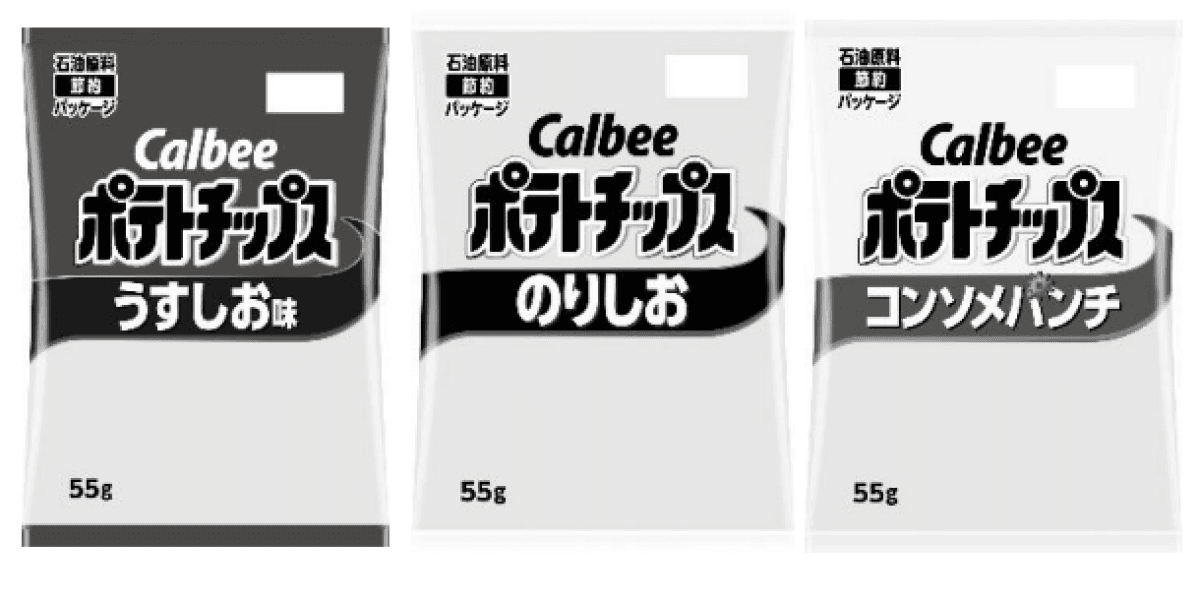
Photo via Fortune
Escalating conflict in the Middle East is creating unexpected bottlenecks in an unlikely sector: the printing ink industry. According to Fortune, Japan relies on the Middle East for approximately 70% of its naphtha imports—a petroleum-based material essential to producing printing inks used on packaging worldwide. As regional instability disrupts supply flows, manufacturers are scrambling to adapt production processes, with some resorting to simplified packaging designs.
The disruption illustrates how deeply interconnected global supply chains have become, even for materials most businesses never consider. Naphtha serves as a critical feedstock in the chemical industry, and its scarcity forces manufacturers to make difficult choices about product presentation and branding. For companies reliant on colorful, eye-catching packaging to drive retail sales, the constraints pose both operational and marketing challenges.
For U.S. retailers and manufacturers sourcing products from Japan or competing in international markets, the situation underscores the vulnerability of energy-dependent supply chains. Dallas-area companies in retail, food distribution, or consumer goods that import products from Japanese manufacturers may face delays or increased costs as suppliers adapt to naphtha shortages. The incident serves as a broader reminder of how geopolitical events in energy-rich regions can cascade through seemingly unrelated industries.
Industry analysts expect the situation to persist until either regional tensions ease or manufacturers identify alternative sources and materials. Some companies are exploring synthetic alternatives to traditional printing inks, while others are renegotiating supplier contracts to secure naphtha from different sources. How quickly businesses adapt to these constraints could determine competitive advantage in packaging-sensitive markets over the coming months.