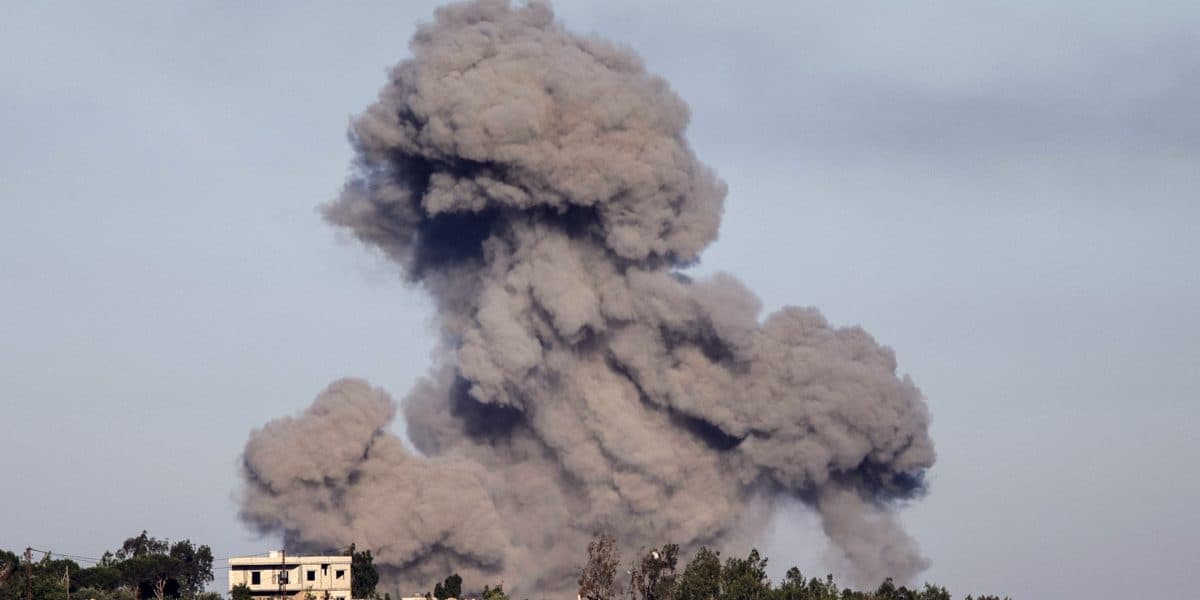
Photo via Fortune
Geopolitical tensions in the Middle East are intensifying as military operations expand across the Lebanon-Israel border, creating fresh uncertainty for global markets and supply chains. According to Fortune, Israeli Defense Minister Israel Katz announced the military has established positions at strategic locations, signaling a significant escalation in regional hostilities. For Dallas-area businesses with exposure to energy markets, international logistics, or supply chain operations, these developments warrant close attention as they could affect commodity pricing and trade routes.
The timing of this escalation coincides with ongoing diplomatic efforts between Iran and the United States, which remain in delicate balance. Any breakdown in these negotiations could further destabilize the region and trigger broader market volatility. Companies in North Texas tied to oil and gas markets, manufacturing with Middle Eastern supply dependencies, or financial services with international exposure should monitor these talks closely for potential business implications.
Energy prices tend to be particularly sensitive to Middle East tensions, a factor that Dallas's robust energy sector monitors constantly. Any sustained conflict could drive crude oil higher, affecting transportation costs, manufacturing expenses, and consumer prices across the region. Businesses with tight margin profiles or those dependent on stable input costs may need to revisit hedging strategies and supplier diversification plans.
Risk managers across Dallas industries are advised to assess their exposure to potential market disruptions stemming from geopolitical instability. Whether through direct Middle East operations, energy price dependencies, or general market volatility, organizations should review contingency plans and consider how regional conflicts might cascade into operational challenges during the coming months.