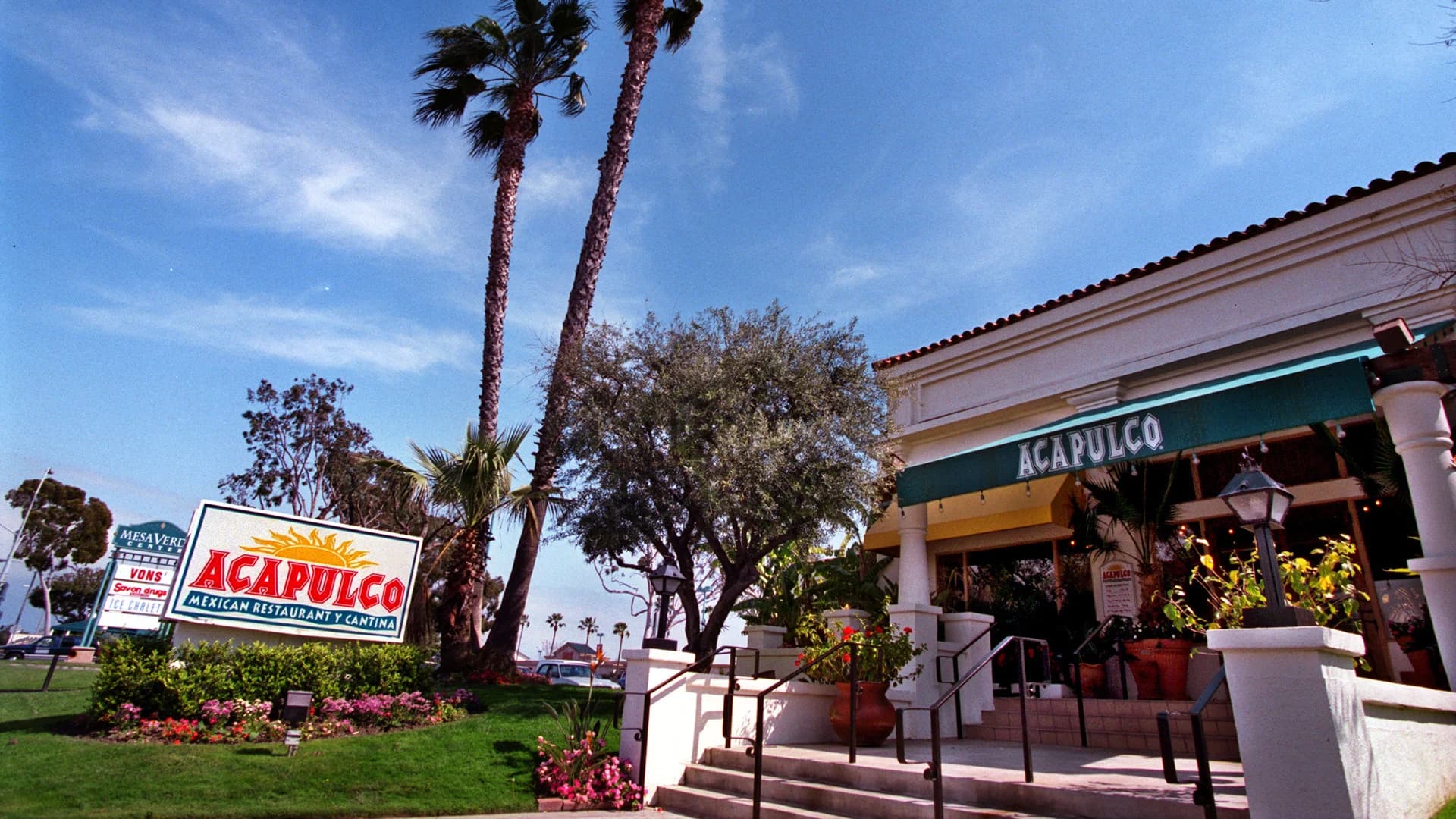
Photo via Inc.
The restaurant industry continues to face significant consolidation pressures, as evidenced by a long-standing Mexican dining chain that has dwindled to just a single location after nearly seven decades in operation. According to Inc., the establishment originally launched its first location in Pasadena, California in 1960, suggesting it had achieved some level of longevity in an increasingly competitive market.
For Dallas-area restaurant operators and investors, this closure pattern underscores the fragility of multi-unit concepts without strong brand differentiation or operational efficiency. The closure of numerous locations points to broader challenges facing independent and regional restaurant chains: rising labor costs, increased rent in prime locations, and competition from both national chains and fast-casual concepts.
The dramatic contraction from multiple locations to just one raises questions about succession planning and strategic positioning. Many restaurant operators struggle to adapt their business models as consumer preferences shift toward delivery, casual dining, and ethnic cuisine variations, particularly in markets like Dallas-Fort Worth where dining options have proliferated significantly.
For local entrepreneurs and investors evaluating restaurant concepts, this case illustrates the importance of maintaining operational flexibility, building strong community loyalty, and regularly reassessing market positioning. The Dallas area's robust restaurant landscape continues to evolve, rewarding concepts that innovate while honoring their heritage.