Photo via Dallas Observer
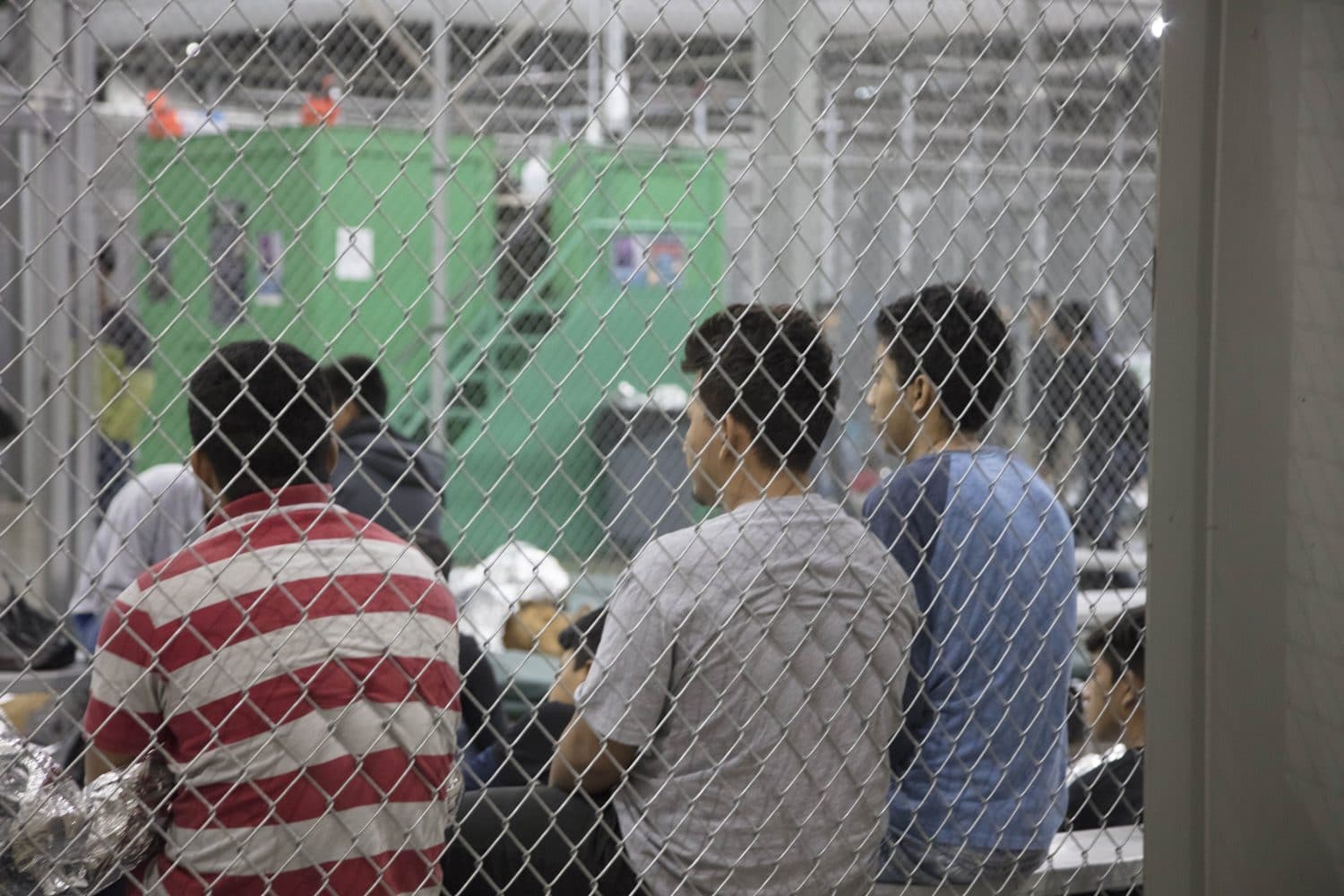
The Trump administration's recent rollback of policies protecting immigrant minors has significant implications for Dallas and Texas businesses that rely on immigrant labor and consumer markets. According to the Dallas Observer, deportations of immigrant children have tripled under new policies that eliminate legal counsel access and defer protections previously available to minors seeking to remain in the United States. For North Texas employers in industries ranging from healthcare to hospitality, these policy shifts may affect workforce availability and stability.
Dallas-area companies have long benefited from immigrant talent and labor across multiple sectors, from technology startups to manufacturing and service industries. The removal of legal protections for minors—who often become part of the workforce—could disrupt business operations and increase labor costs as employers face potential workforce gaps. Regional business leaders and chambers of commerce may need to reassess talent recruitment strategies and workforce planning in light of these immigration enforcement changes.
Beyond immediate workforce concerns, the policy shift raises broader questions about community stability and consumer markets in Dallas. Immigrant families and their spending power represent a significant portion of the North Texas economy. As legal uncertainty increases for immigrant youth, business leaders should monitor how these changes affect both their direct operations and the broader economic health of the region.