Photo via Boulder Daily Camera
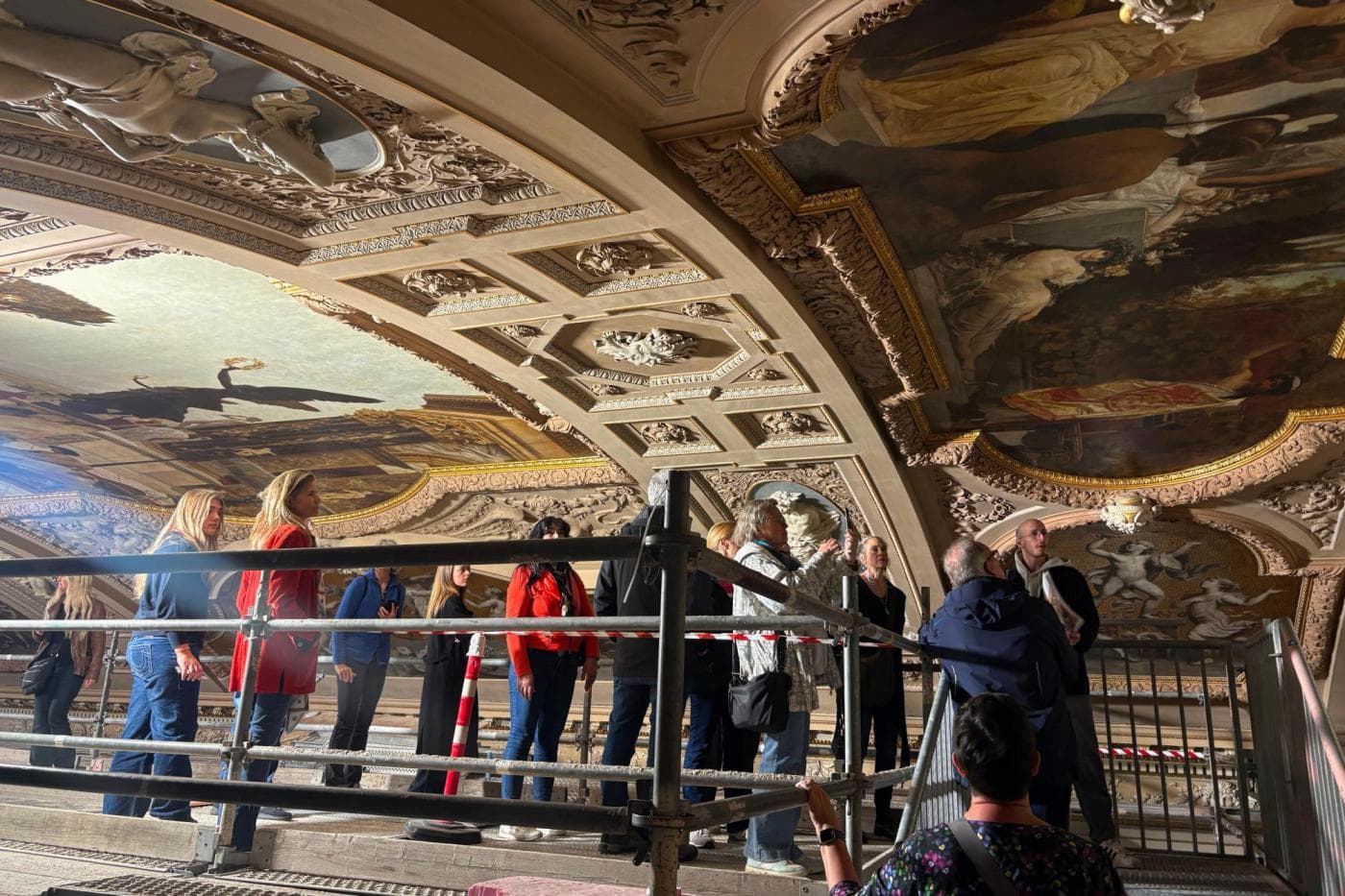
Cultural institutions across the country are discovering an unconventional approach to capital improvement projects: transforming routine renovations into public experiences. According to reporting on Vienna's theater renovation, the institution has opened its scaffolding tours to the public, allowing visitors to witness restoration work on historic Gustav Klimt ceiling paintings firsthand. This model demonstrates how transparency during construction can enhance rather than diminish institutional appeal.
For Dallas's thriving cultural district—home to venues like the Dallas Arts District and performing arts centers—this approach presents a replicable strategy. When major renovation projects begin at local theaters, concert halls, and museums, opening behind-the-scenes access could deepen community investment while generating positive publicity during typically disruptive construction phases. The Vienna example shows that the public has genuine interest in understanding how cultural treasures are preserved.
The financial benefits of such transparency shouldn't be overlooked. Scaffolding tours create additional revenue streams through ticketing, increase foot traffic to nearby hospitality businesses, and generate media coverage that might otherwise focus on construction inconvenience. For Dallas venues operating in competitive entertainment markets, this approach differentiates institutions and strengthens audience loyalty during periods when traditional programming may be limited.
As Dallas continues to invest in its cultural infrastructure, venue operators and real estate developers overseeing restoration projects should consider how public access and educational programming around construction work might enhance project value and community relations. The Vienna theater model suggests that strategic transparency isn't merely good public relations—it's an opportunity to deepen cultural engagement.