Photo via FreightWaves
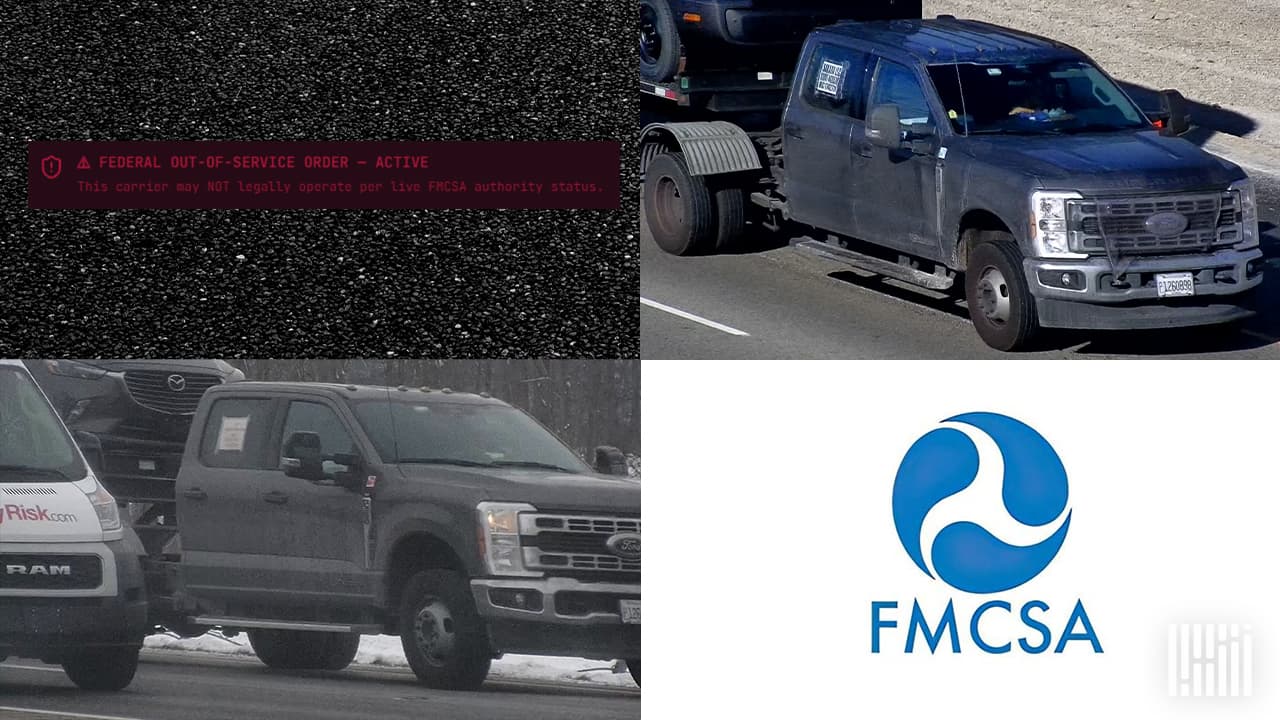
The trucking industry's regulatory landscape is experiencing a significant shift, with enforcement actions pushing smaller and less-scrupulous operators away from traditional long-haul routes. According to FreightWaves, rather than exiting the business entirely, many marginal carriers are pivoting toward hotshot trucking and auto transport—segments with substantially lighter oversight and lower operational barriers to entry.
Hotshot trucking—the rapid transport of time-sensitive freight using smaller rigs—presents an attractive refuge for operators seeking to avoid stricter long-haul regulations. These operations benefit from fewer inspections, lower insurance requirements, and reduced compliance burdens compared to their full-size counterparts. For Dallas-area freight companies and shippers relying on hotshot services, this migration raises questions about the reliability and safety standards of available carriers in a competitive market.
The economic incentives are clear: smaller rigs mean lower capital requirements, cheaper insurance premiums, and reduced regulatory friction. However, this consolidation of marginal operators in underregulated segments creates what industry observers call "ghost fleets"—carriers operating with minimal accountability. The trend suggests that regulatory pressure, rather than eliminating problematic operators, is simply redirecting them to weaker enforcement zones.
For Dallas businesses dependent on regional logistics networks, this shift underscores the importance of due diligence when selecting carriers. As the trucking industry continues to professionalize, companies should consider whether their hotshot and auto transport partners meet the safety and compliance standards of major carriers, even if regulatory requirements technically permit lower bars.