Photo via Fortune
According to Fortune, escalating tensions in the Strait of Hormuz are creating new challenges for the global shipping industry, with vessels increasingly turning off Automatic Identification Systems (AIS) to avoid detection by Iranian fast-attack boats. This critical chokepoint, through which roughly one-third of the world's seaborne oil passes, has become a pressure point for international commerce—and Dallas-based companies relying on Middle Eastern imports are watching developments closely.
The tactical shift represents a significant operational change for shipping operators. By disabling AIS tracking, vessels reduce visibility to maritime authorities and potential threats, but they also add complexity and uncertainty to supply chain visibility. For Dallas logistics companies and retailers dependent on Asian and Middle Eastern sourcing, the strategy underscores growing risks in traditional shipping routes and highlights the importance of diversified sourcing strategies.
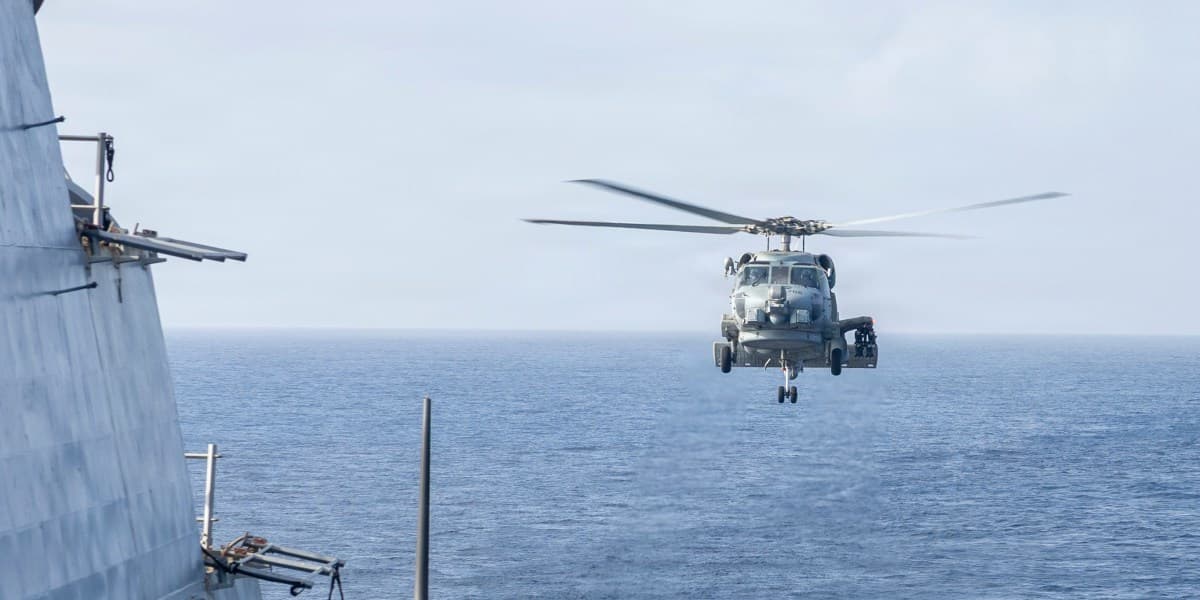
Energy companies and petroleum refineries across Texas are particularly sensitive to Hormuz developments, given the strait's role in global crude markets. Any sustained disruption could influence fuel prices and energy costs for North Texas manufacturers and transportation companies. Industry observers note that military escorts and helicopter deployments are helping maintain passage, but the underlying tensions suggest continued volatility.
For Dallas-area supply chain managers, these developments reinforce the need for contingency planning and alternative routing options. Shipping costs, insurance premiums, and delivery timelines may all face upward pressure if instability persists, making it an issue worth monitoring for any company with exposure to Middle Eastern trade or petroleum-linked operations.