Photo via CNBC
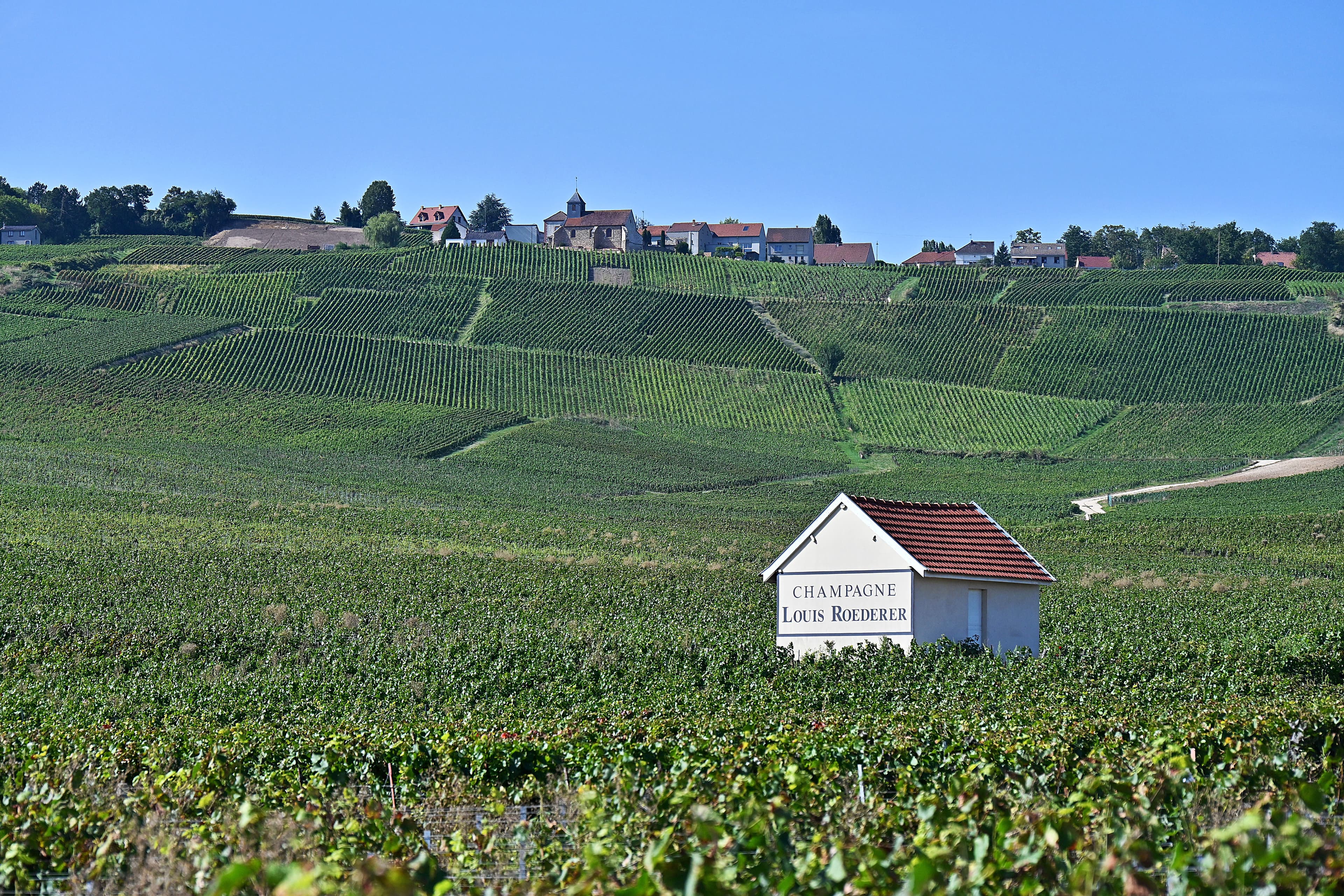
According to CNBC, extreme heat conditions have prompted Champagne producers in France to conduct their earliest harvest on record, creating significant challenges for an industry already navigating multiple headwinds. The accelerated growing season threatens to alter the carefully calibrated flavor characteristics that have defined the region's premium positioning for centuries, forcing producers to reassess long-established practices and potentially experiment with new production techniques to maintain consistency.
Champagne makers face a mounting list of complications beyond climate pressures. Tariff disputes and trade tensions have complicated export dynamics, while consumer preferences show signs of shifting away from traditional sparkling wine consumption. The convergence of environmental stress, commercial uncertainty, and weakening demand puts the region's producers in a difficult position as they work to preserve both their celebrated taste profile and market relevance.
The situation underscores a broader vulnerability in the global wine industry to climate change impacts. Champagne's controlled geographic designation and rigid production standards—historically a source of competitive advantage—may now constrain producers' ability to adapt to rapidly changing environmental conditions, forcing difficult choices between tradition and survival.