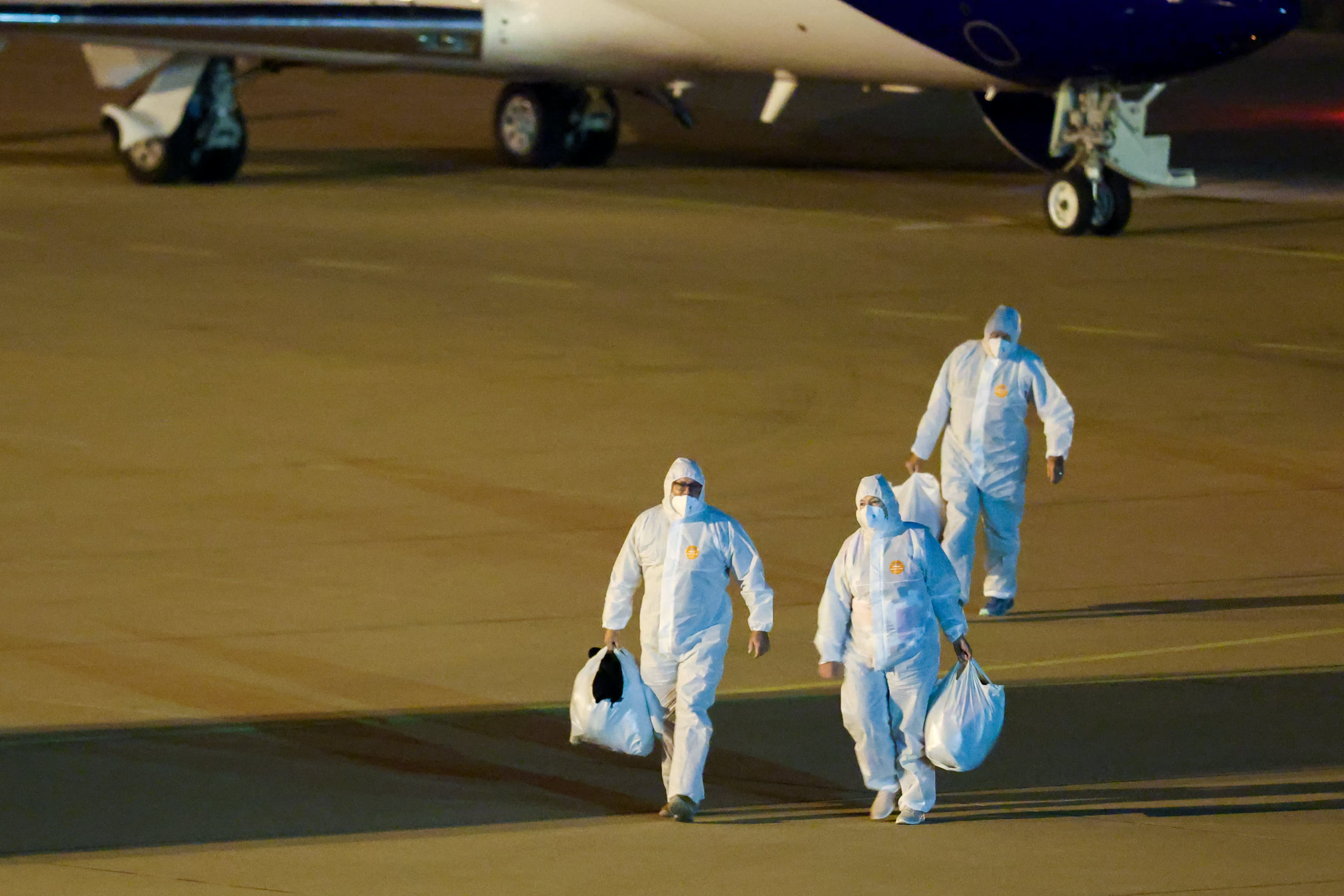
Photo via CNBC Business
The emergence of hantavirus cases is drawing scrutiny from public health officials and infectious disease specialists who view the situation as a real-world test of America's ability to detect and contain emerging disease threats. According to reporting from CNBC Business, the outbreak has become a focal point for broader discussions about pandemic readiness in the post-Covid era, when complacency about infectious disease risk may be setting in.
For Dallas-area healthcare organizations and businesses, the hantavirus developments underscore the importance of maintaining robust disease surveillance systems and rapid response protocols. Local hospitals and public health departments are among those evaluating their current capabilities to identify and respond to novel pathogens before they spread widely.
Experts are emphasizing that while hantavirus does not pose the same widespread threat as Covid-19, the outbreak reveals potential gaps in the nation's infectious disease infrastructure. These vulnerabilities span diagnostic capabilities, supply chain resilience, and coordination between federal and state health agencies—all systems that Texas healthcare entities depend on.
The situation serves as a reminder for Dallas business leaders that pandemic preparedness remains a critical operational concern. Companies across healthcare, logistics, and other sectors should review contingency plans developed during Covid-19 and ensure they remain current and actionable for future disease threats.