Photo via Dallas Observer
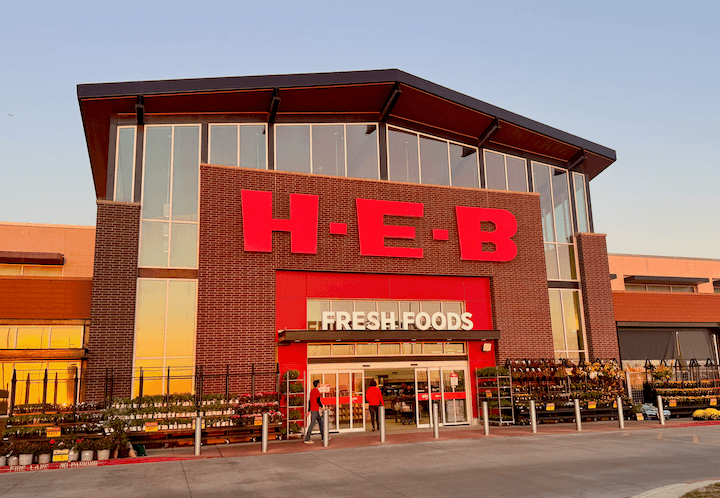
H-E-B continues to expand aggressively across North Texas, but the San Antonio-based grocery chain doesn't enter every neighborhood that welcomes it. According to the Dallas Observer, the company follows a rigorous methodology when deciding where to plant its next store, and understanding that framework offers insight into how major retailers evaluate Dallas-area markets.
The retailer's expansion strategy hinges on demographic data, traffic patterns, real estate availability, and competitive positioning. Neighborhoods with strong household income levels, growing populations, and established retail corridors typically rank higher on H-E-B's priority list. For Dallas business leaders and developers, recognizing these criteria can inform commercial real estate decisions and neighborhood investment strategies across the metroplex.
Retail experts point out that H-E-B's selectivity reflects broader trends in grocery retail, where location science has become increasingly sophisticated. The chain balances market opportunity with operational efficiency, meaning some rapidly developing Dallas suburbs may wait years for a location while more established areas secure stores quickly. This selectivity has real implications for property values and retail development patterns throughout North Texas.
For residents and developers wondering whether their area will land an H-E-B, the answer typically lies in the data—population density, purchasing power, and market saturation all factor into corporate site selection. As Dallas continues to grow, understanding how major retailers like H-E-B evaluate opportunities provides a window into which neighborhoods are positioned for growth and commercial investment.