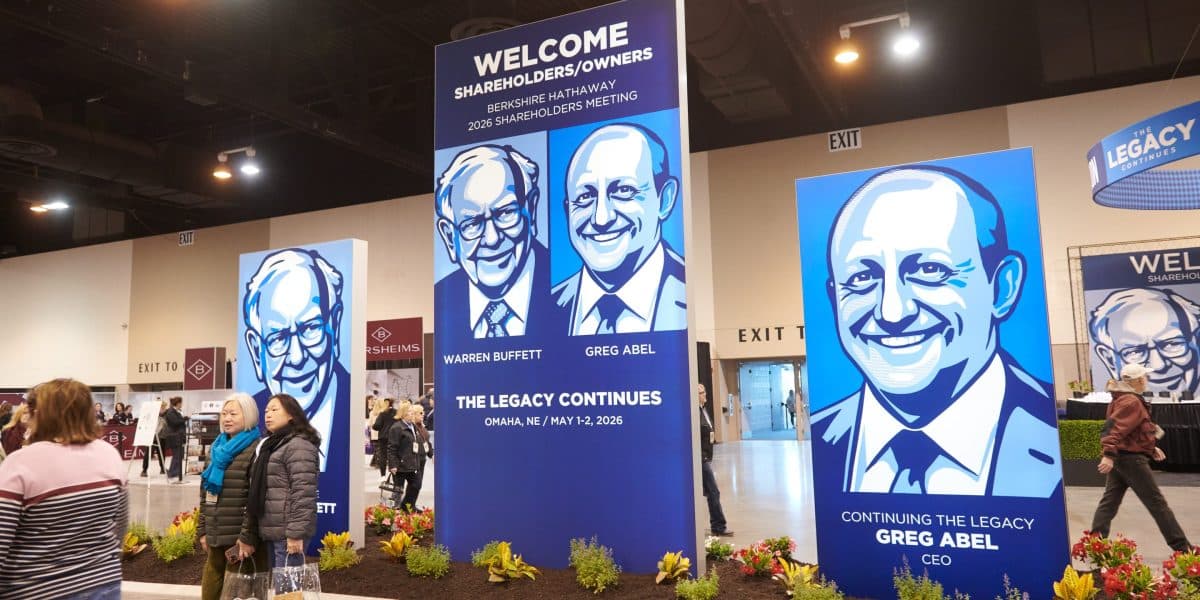
Photo via Fortune
Warren Buffett's eventual departure from Berkshire Hathaway marks a pivotal moment for the $800+ billion conglomerate and its stakeholders, including many Texas-based investors and companies with ties to the firm's diverse portfolio. According to Fortune, Greg Abel, who now leads Berkshire as CEO, represents a different leadership approach than the legendary investor who built the company over six decades. Abel brings operational expertise and a focus on execution that differs markedly from Buffett's dealmaking and capital allocation philosophy.
For Dallas business leaders watching Berkshire's trajectory, Abel's background in energy operations carries particular relevance. His tenure overseeing Berkshire Hathaway Energy—a major player in utilities and renewable power—demonstrates deep experience managing complex, infrastructure-heavy businesses. This operational focus suggests Berkshire may shift toward more disciplined management of its existing holdings rather than pursuing transformative mega-acquisitions that defined the Buffett era.
The leadership transition also reflects broader market realities facing large conglomerates. Abel must navigate an evolving investment landscape, manage shareholder expectations during economic uncertainty, and maintain Berkshire's competitive position across insurance, energy, manufacturing, and retail divisions. According to the analysis, some early skeptics now acknowledge that Abel's methodical, operational approach may better suit Berkshire's current needs than continuing with Buffett's style.
For Texas investors and business professionals, Berkshire's leadership shift underscores the importance of succession planning in major institutions. Whether Abel's pragmatic approach to capital deployment and operational excellence generates returns comparable to Buffett's legacy will likely influence investment strategies for Dallas-area firms evaluating their own leadership transitions and long-term positioning.