Photo via Inc.
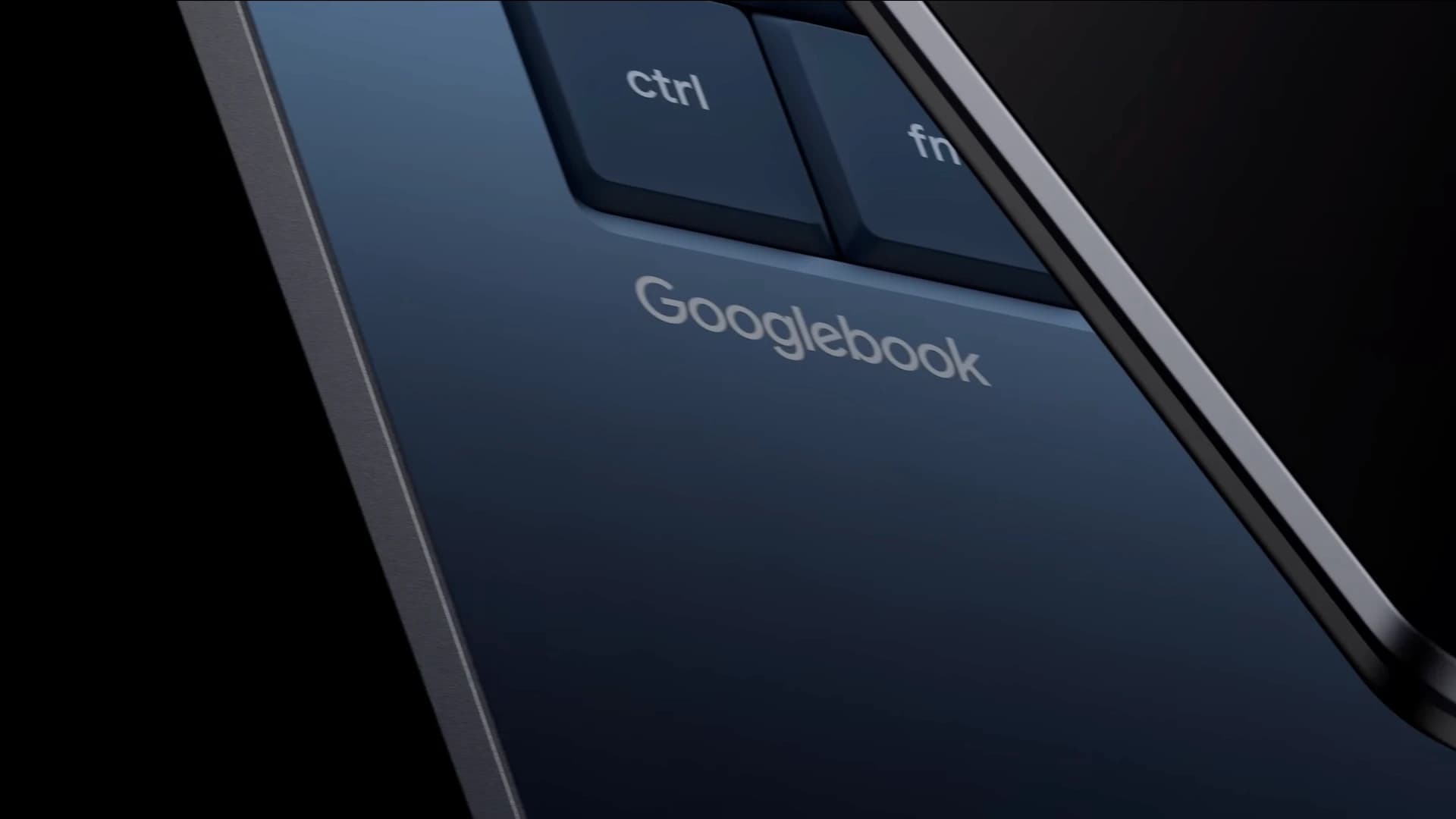
Google has unveiled what it positions as the next generation in its Chromebook line, yet the market reception remains ambiguous. According to Inc., the announcement has sparked debate about whether the company has identified a genuine customer need or simply created a product in search of a problem. For Dallas-area businesses evaluating technology purchases, this uncertainty underscores the importance of carefully assessing whether new device categories align with actual workplace requirements.
The Chromebook category has carved out a niche in education and budget-conscious segments, but Google's successor appears to occupy unclear positioning. Rather than serving an obvious extension of the existing market, the device seems to represent a solution looking for a corresponding demand. Technology directors at North Texas companies should consider whether this represents genuine innovation or incremental change that won't deliver tangible benefits to their operations.
For Dallas enterprises currently standardized on Windows, Mac, or existing Chromebook fleets, this product announcement may warrant a wait-and-see approach. The lack of clear market validation suggests that early adoption carries higher risk than typical technology investments. Procurement teams would be wise to monitor real-world adoption patterns and customer feedback before committing budget to this new category.
As Google continues to develop its hardware ecosystem, this product launch serves as a reminder for regional businesses: innovation must address genuine market needs to succeed. Dallas-based companies—whether in technology, finance, or other sectors—should apply this lesson to their own product development, ensuring customer demand precedes significant resource commitments.