Photo via Inc.
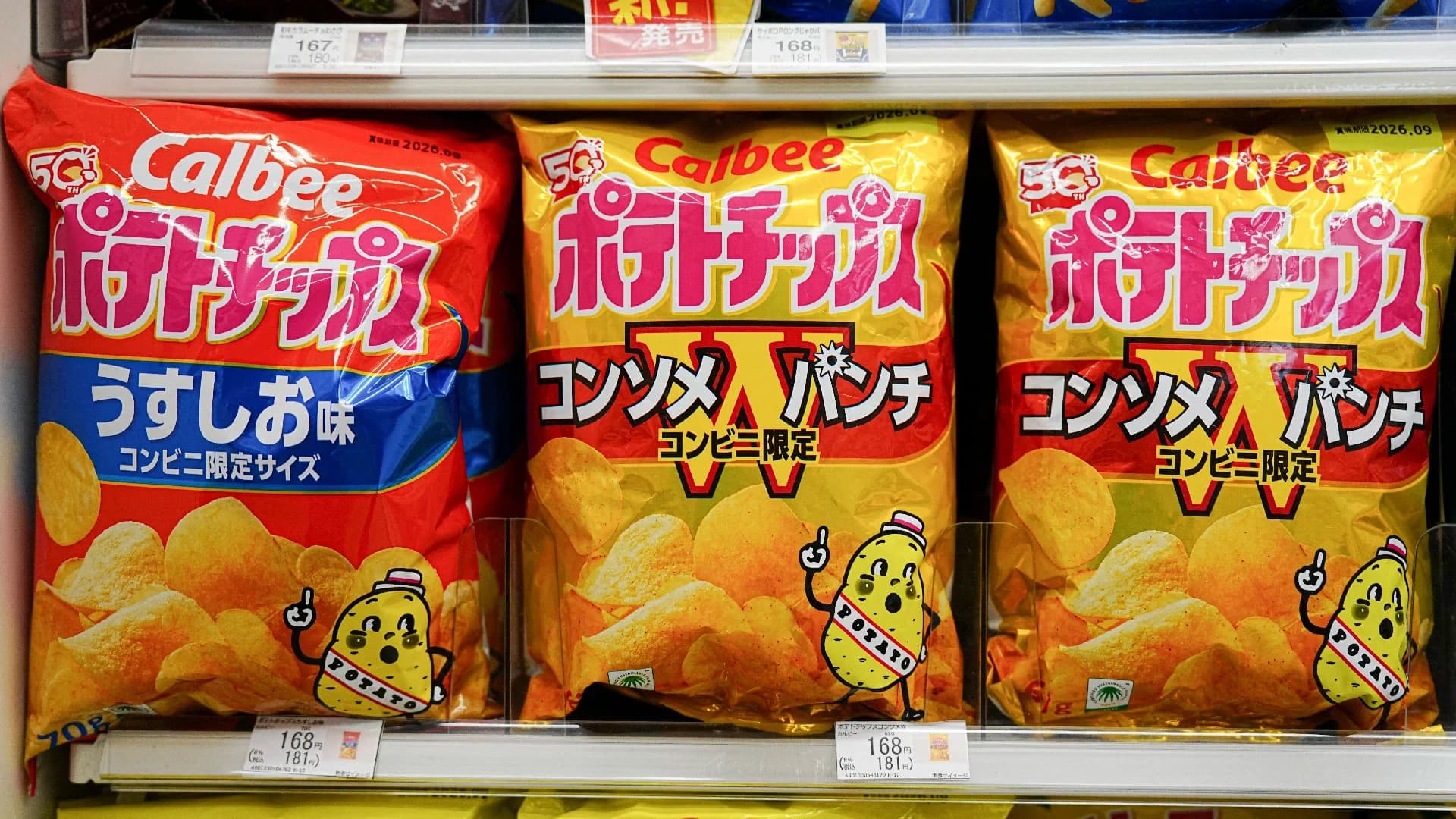
According to Inc., Calbee, Japan's leading snack manufacturer, is implementing significant packaging changes across its product line due to supply chain disruptions tied to the Strait of Hormuz blockade. The move underscores how geopolitical tensions and maritime chokepoints continue to reverberate through global manufacturing and retail sectors, affecting everything from premium snack brands to everyday consumer goods.
The decision to transition some of Calbee's most recognizable products into monochrome packaging represents a tangible example of how companies worldwide are adapting to material shortages. Rather than delay product availability or face significant cost increases, the snack maker has opted for simplified visual branding—a trade-off between aesthetic appeal and market continuity that many manufacturers now face.
For Dallas-area retailers and distributors, this situation illustrates the cascading effects of international logistics disruptions. Consumer packaged goods companies operating across North Texas must evaluate their own supply chain resilience and consider how maritime blockades, port congestion, or raw material shortages could impact inventory, pricing, and shelf placement decisions in the coming months.
The Calbee case serves as a broader cautionary tale for Texas businesses reliant on global supply networks. Companies in retail, food production, and distribution should reassess procurement strategies and explore regional or domestic sourcing alternatives to mitigate exposure to similar disruptions that could affect their bottom line and customer satisfaction.