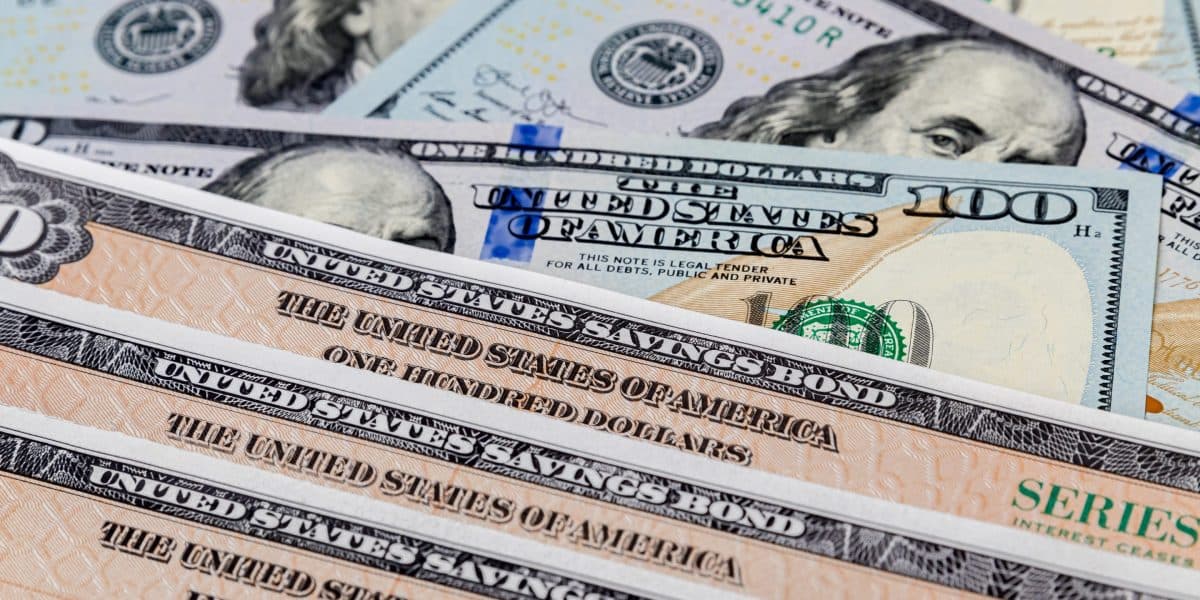
Photo via Fortune
According to Fortune, the largest foreign holders of U.S. Treasury bonds are signaling a potential shift in strategy, with plans to move capital back to their home markets rather than continue investing in American debt. This repatriation could have meaningful consequences for borrowing costs across the U.S. economy, including impacts felt by Dallas-based businesses and financial institutions.
The shift appears driven by improving conditions in foreign markets, particularly in Japan, where yields on 10- and 30-year government bonds have reached levels not seen since the 1990s. The Bank of Japan is expected to implement its fifth rate increase since 2024, making domestic investments more attractive to international investors who have traditionally favored U.S. Treasury securities.
For Dallas business leaders, higher Treasury yields translate directly into increased borrowing costs. Companies financing expansion, real estate developers funding projects, and financial institutions managing debt portfolios would face steeper rates if foreign investment in U.S. debt diminishes. The Dallas commercial real estate market, already navigating post-pandemic dynamics, could be particularly sensitive to shifts in the cost of capital.
Business owners and financial managers in North Texas should monitor this trend closely as it develops. Understanding how shifts in international capital flows affect local lending rates will be critical for budgeting decisions and strategic planning throughout 2024 and beyond. Financial advisors recommend reviewing refinancing opportunities and locking in rates before any significant changes materialize.