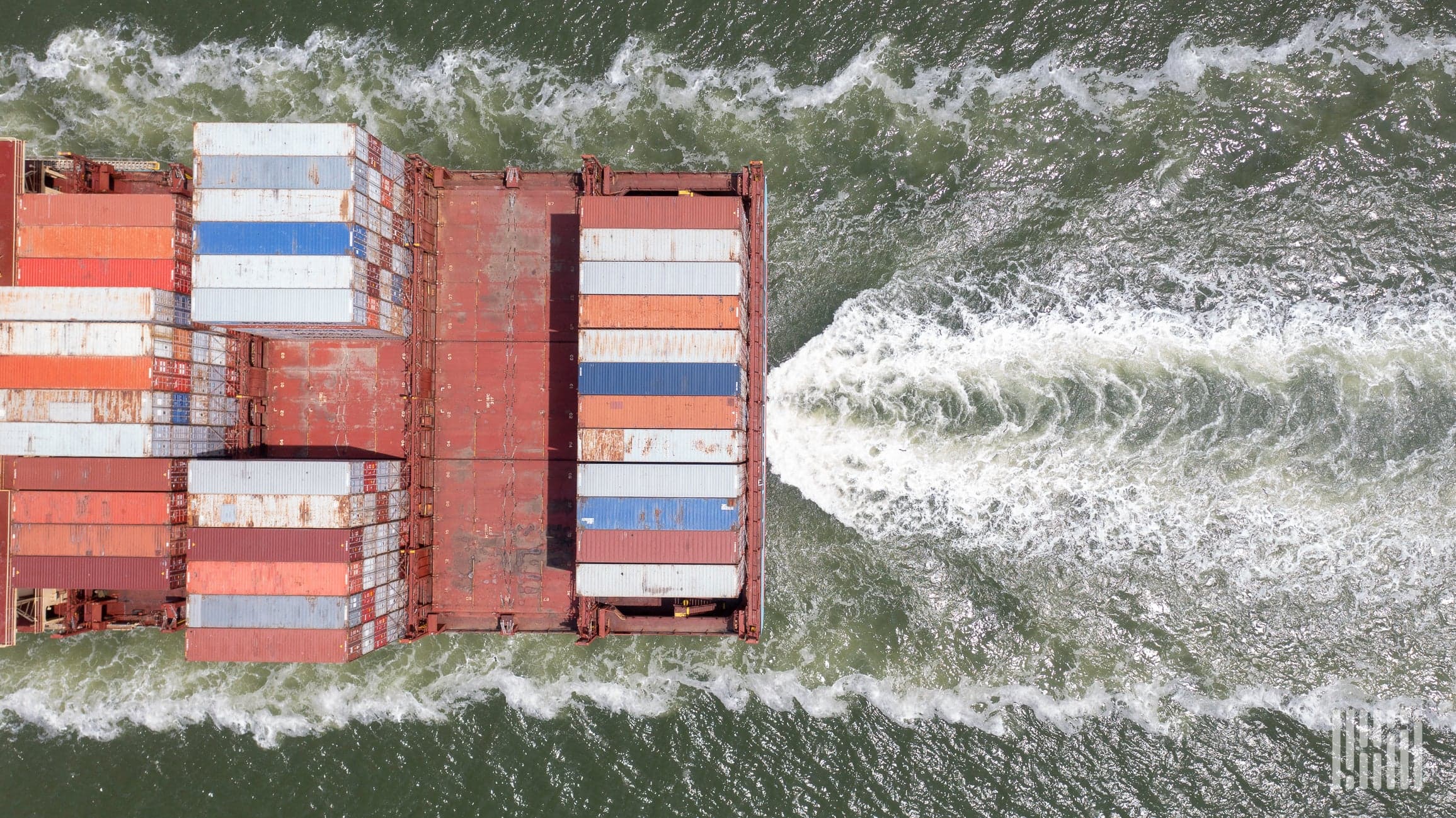
Photo via FreightWaves
The Federal Maritime Commission has restored itself to full regulatory capacity with the swearing-in of a new commissioner, according to FreightWaves. The appointment fills the agency's remaining vacant position and allows the five-member commission to operate at complete strength for the first time in recent months.
This development carries implications for maritime commerce flowing through major U.S. ports, including those serving the Dallas-Fort Worth region's import-export operations. The FMC oversees international ocean shipping practices and addresses disputes in the containerized cargo industry, which directly impacts supply chains for North Texas businesses.
The newly sworn commissioner brings experience from Florida's maritime sector, continuing a pattern of regional maritime expertise on the commission. With all seats now filled, the FMC can more effectively address pending matters related to carrier service rates, vessel scheduling, and port operations that affect shippers across Texas.
For Dallas-area logistics companies and importers reliant on ocean freight, the commission's return to full strength signals improved regulatory clarity and potentially faster resolution of maritime trade issues. The five-member board can now tackle the backlog of cases and policy matters that impact supply chain efficiency for regional businesses.