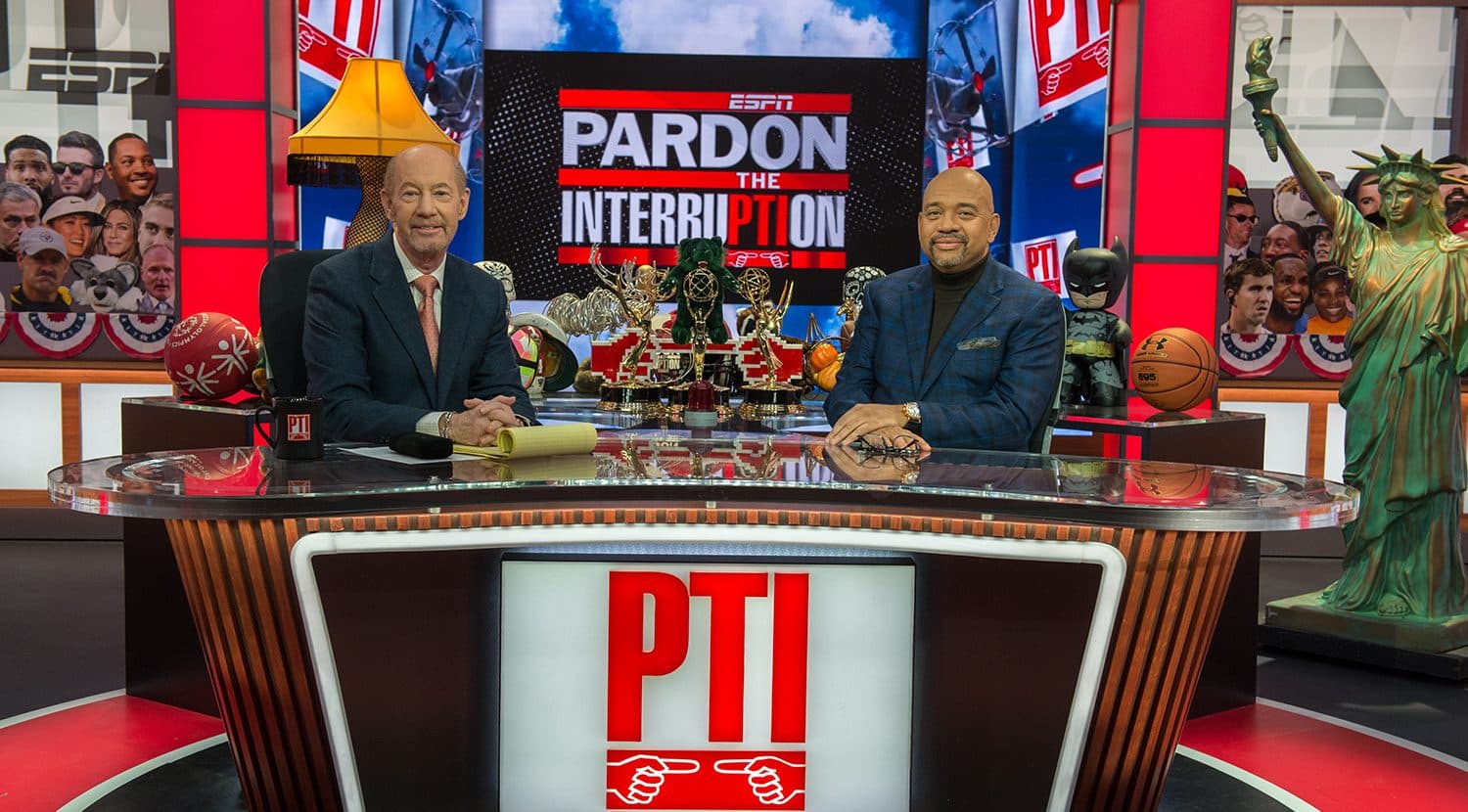
Photo via Awful Announcing
Michael Wilbon recently shared insights on why his long-running ESPN show has thrived for 25 years, crediting an unconventional factor: physical distance from corporate oversight. According to reporting from Awful Announcing, Wilbon suggested that operating from Washington, D.C. rather than ESPN's Connecticut headquarters gave the program creative breathing room that likely wouldn't have existed under closer corporate supervision. The theory challenges conventional wisdom about centralized management and offers an intriguing perspective on organizational dynamics.
For Dallas business leaders managing distributed teams or satellite operations, Wilbon's observation carries practical implications. The lesson suggests that autonomy granted to geographically separated teams can foster innovation and reduce the friction that often accompanies constant corporate oversight. Many successful companies—from tech startups in Deep Ellum to established firms with remote divisions—have discovered that trust and distance can create psychological and operational freedom that benefits long-term success.
As companies increasingly embrace hybrid and distributed work models, Wilbon's experience illustrates a broader principle: sometimes the most effective organizational structures aren't about tighter control, but about strategic delegation paired with geographic separation. Whether managing a media property or a business unit, the takeaway for Dallas executives is clear—proximity to headquarters isn't always synonymous with organizational health or creative output.