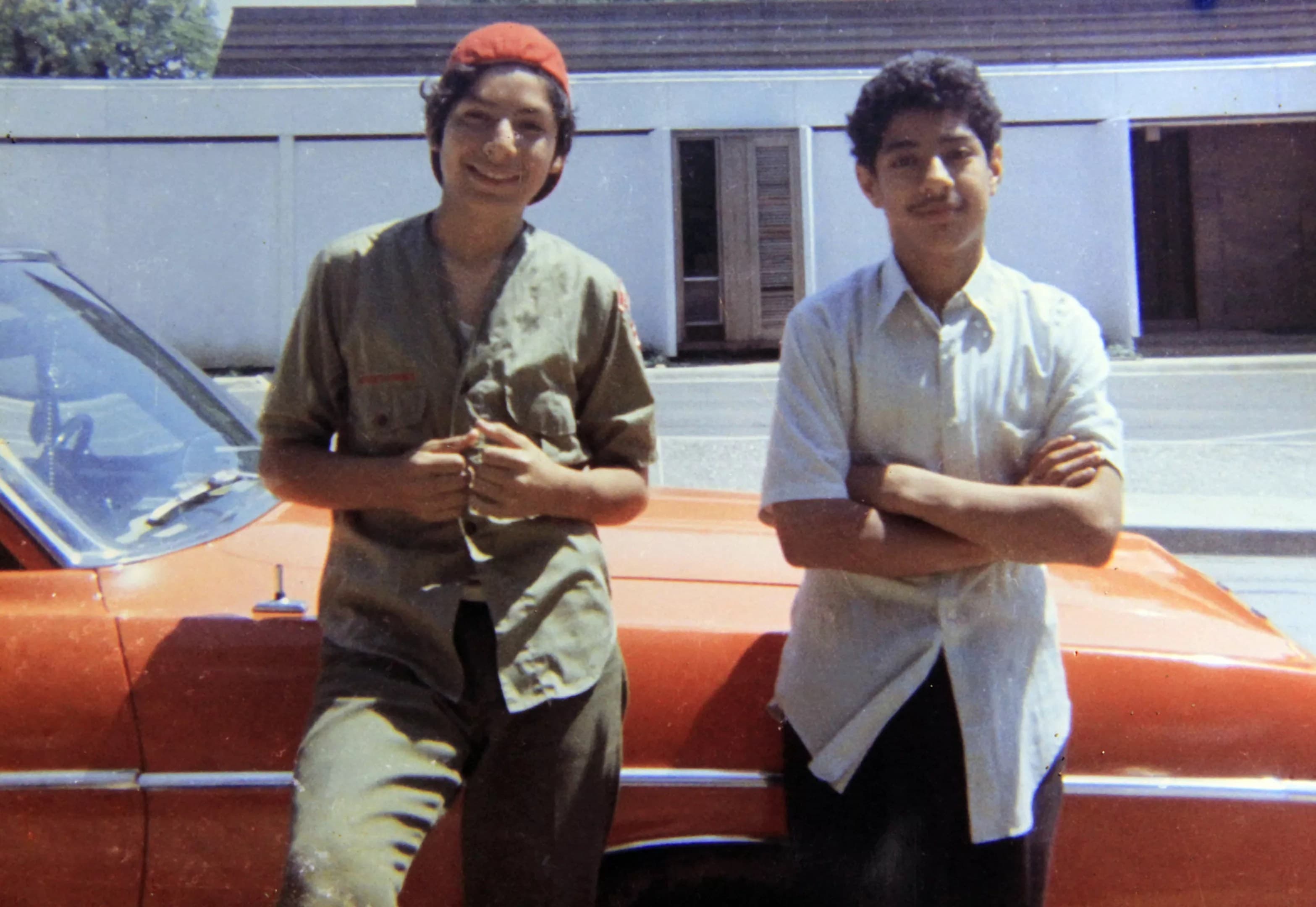
Photo via Dallas Observer
The 1973 police killing of 12-year-old Santos Rodriguez remains a defining moment in Dallas history, marking a critical juncture in the city's relationship with law enforcement and community trust. According to the Dallas Observer, this case fundamentally altered how the city confronts questions of accountability and institutional responsibility. For local business leaders and civic stakeholders, the incident underscores the broader challenge of building an equitable business environment where all residents feel safe and represented.
Activists and community organizations continue to emphasize that Dallas has made progress but has significant work ahead. Recognition of Rodriguez's death and the circumstances surrounding it is not merely a historical exercise—it directly impacts the city's reputation, workforce development, and ability to attract talent. When communities experience systemic injustice, the effects ripple through economic vitality, employee retention, and the trust necessary for sustainable business partnerships.
For Dallas's business community, addressing this legacy represents both a moral imperative and a practical investment in the region's future. Companies operating in Dallas benefit from a stable, inclusive society where residents have confidence in institutions. Corporate leaders increasingly recognize that confronting historical wrongs and implementing meaningful reform contributes to long-term economic resilience and positions Dallas as a progressive, forward-thinking city where talent and investment want to settle.