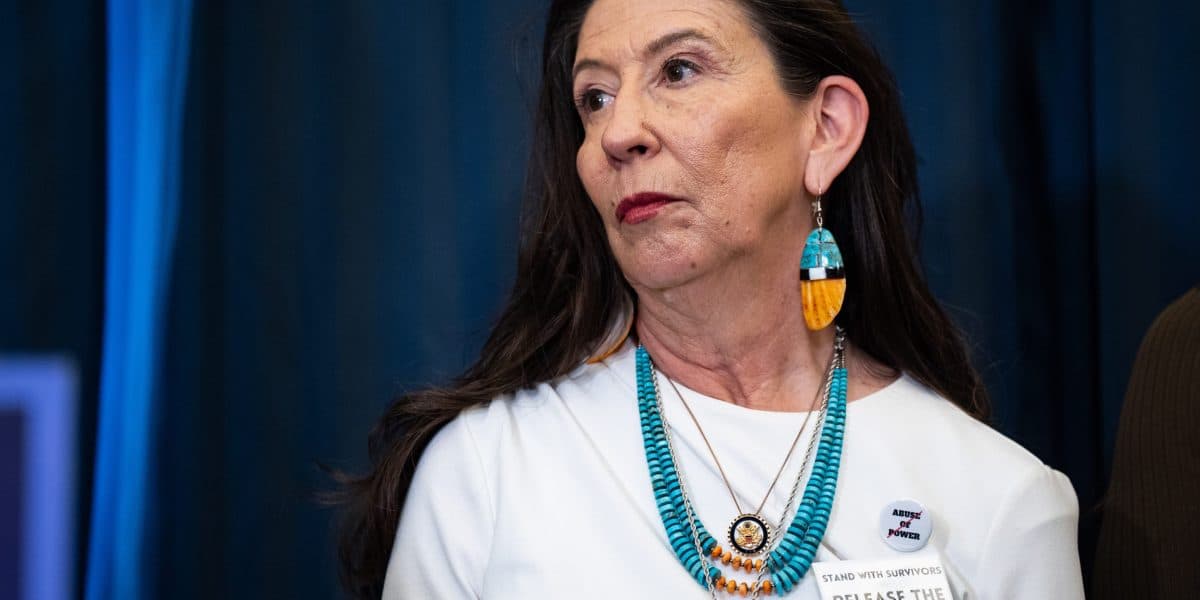
Photo via Fortune
A proposed Smithsonian museum dedicated to women's history has stalled in congressional funding negotiations, according to Fortune, amid disagreements over exhibit inclusion standards. The legislative setback underscores how cultural and political disagreements can complicate what might otherwise be straightforward institutional funding—a pattern that Dallas-area nonprofits and cultural organizations increasingly navigate.
Republican lawmakers sought revisions to ensure certain groups would not be featured in planned exhibits, positioning the changes as necessary guardrails for public institutions. When those modifications were incorporated into revised legislation, the bill unexpectedly failed to advance, suggesting the compromise satisfied neither supporters nor opponents of the original proposal.
The failed funding effort raises broader questions about how governing bodies balance institutional autonomy with political accountability, particularly when public dollars are involved. For Dallas business leaders engaged with cultural institutions or nonprofit boards, the case demonstrates the potential risks of allowing cultural debates to dominate governance discussions.
As institutions across the country face similar pressures, stakeholders in Dallas might consider how clear mission statements and transparent exhibit criteria—developed before political conflicts arise—can help cultural organizations maintain focus and community support regardless of shifting political winds.