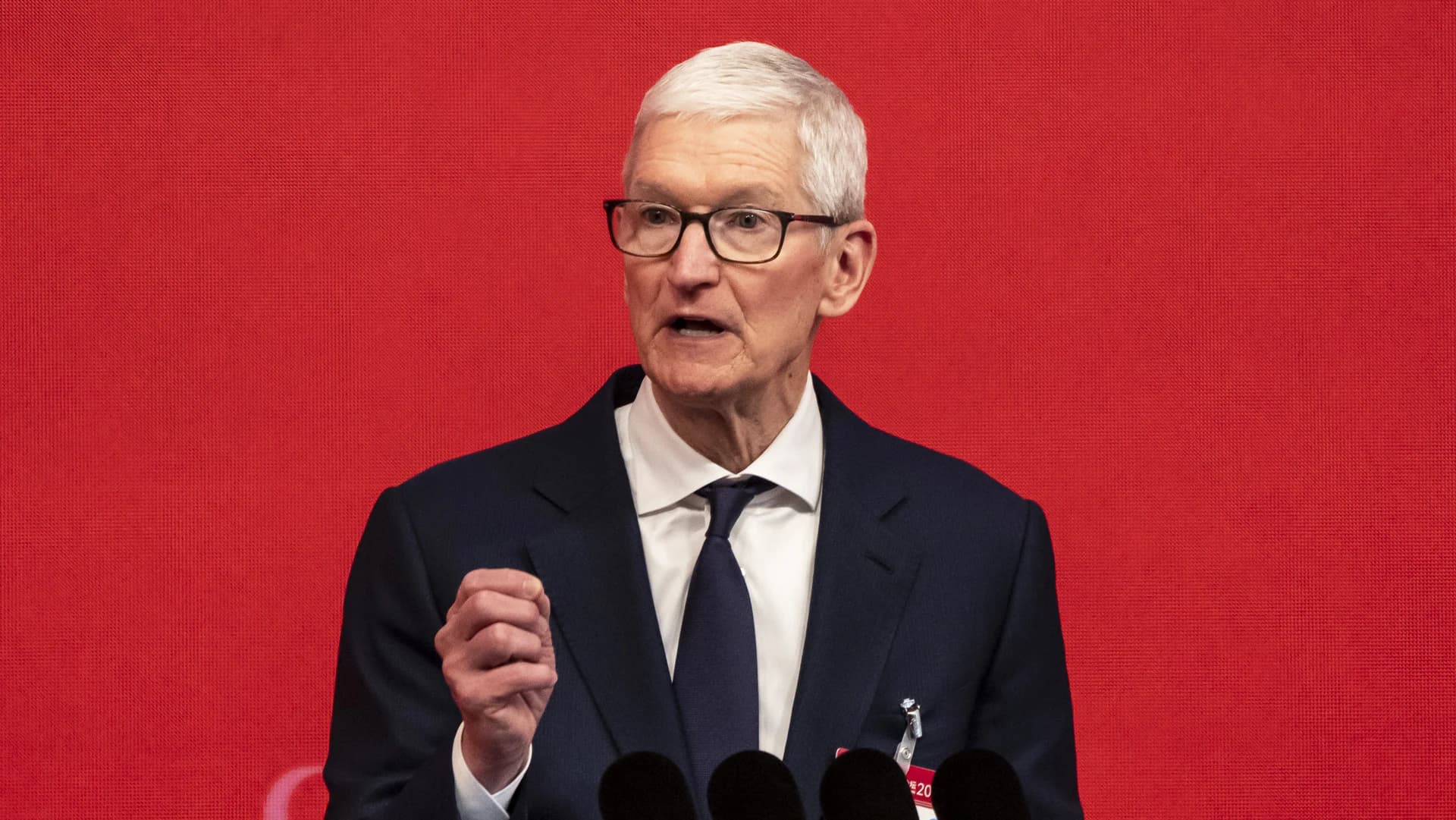
Photo via Inc.
Tim Cook's potential transition at Apple highlights a critical challenge for Dallas-area business leaders: creating an organization that thrives independent of any single executive. According to Inc., Cook has built something that many founders struggle to achieve—a company with systems, culture, and talent deep enough to function without its top leader. For executives in North Texas managing growing companies, this model offers valuable lessons about institutional resilience.
Successful succession planning requires more than identifying a replacement; it demands embedding strategic thinking throughout an organization's leadership structure. When companies develop strong operational frameworks and distribute decision-making authority, they become less dependent on charismatic founders or celebrated CEOs. Dallas-based firms in technology, healthcare, and energy sectors are increasingly recognizing that this approach attracts institutional investors and improves long-term valuations.
Apple's ability to maintain operational continuity reflects decades of investment in organizational infrastructure. The company has cultivated bench strength in product development, supply chain management, and retail operations. For Dallas business owners planning growth beyond their tenure, this suggests the importance of documenting processes, mentoring emerging leaders, and creating transparent succession pathways that don't depend on finding a perfect clone of the current chief executive.
The real competitive advantage lies in creating a culture where excellence becomes systematic rather than personality-driven. Organizations that achieve this transition often see improved employee retention, smoother decision-making, and sustained profitability through leadership changes. North Texas entrepreneurs and executives should view succession planning not as a future concern, but as a strategic priority that strengthens their business today.