Photo via Entrepreneur
A significant disconnect exists between what C-suite executives envision for artificial intelligence adoption and what employees actually experience in their day-to-day work. According to research cited by Entrepreneur, this gap threatens the success of AI initiatives across industries. For Dallas-area businesses—from energy companies modernizing operations to healthcare systems improving patient care—understanding this tension is essential to successful technology implementation.
The root cause often stems from a top-down approach where leadership mandates AI adoption without adequately addressing worker concerns about job security, training gaps, and workflow disruption. Employees worry about becoming obsolete, while executives focus primarily on efficiency gains and competitive advantage. This misalignment leads to resistance, slower adoption rates, and missed opportunities to leverage AI's full potential. Dallas companies operating in competitive markets can't afford these implementation delays.
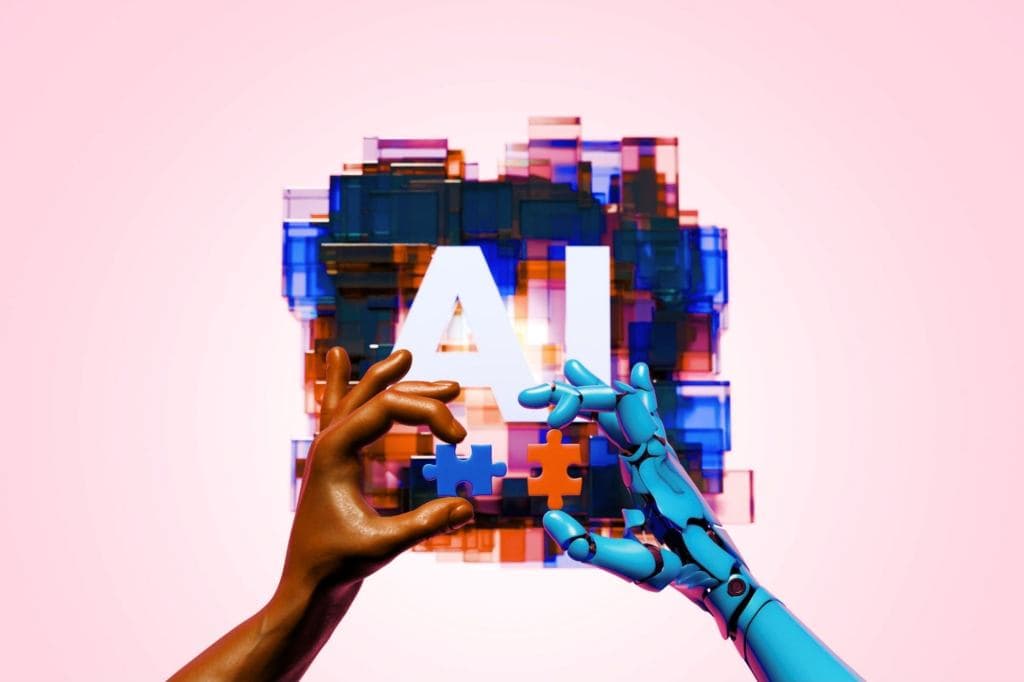
Executives must prioritize three key strategies to turn AI from a perceived threat into a valued teammate. First, establish transparent communication about how AI will augment—not replace—human roles. Second, invest in comprehensive training programs that build employee confidence with new tools. Third, create feedback mechanisms that allow workers to voice concerns and contribute to how AI is integrated into their specific roles. These approaches require patience and genuine engagement from leadership.
For Dallas business leaders, the message is clear: successful AI implementation hinges on treating employees as partners in the transformation, not as obstacles to overcome. Organizations that invest in alignment between executive vision and employee reality will gain competitive advantages in talent retention, productivity, and innovation. The companies that ignore this gap risk both financial losses and the talent exodus Dallas's competitive market cannot afford.