Photo via Inc.
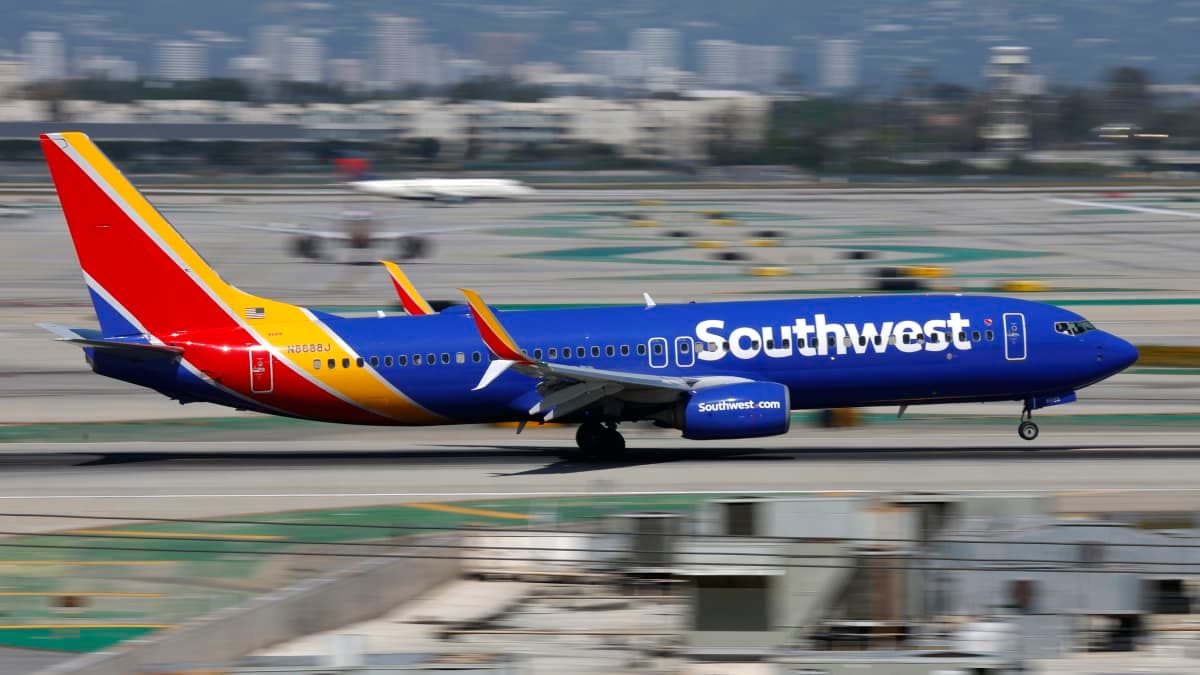
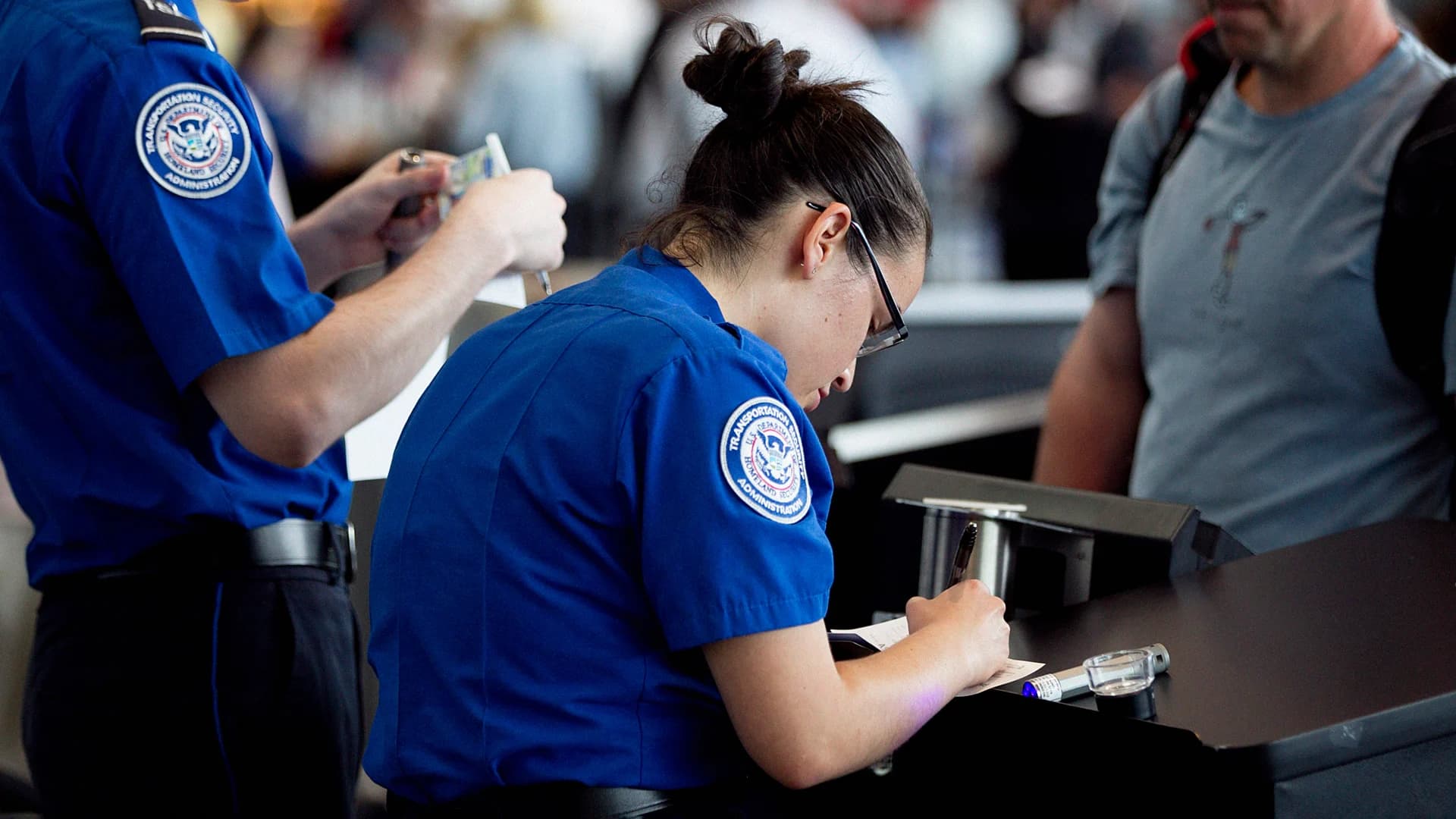
Beginning June 1, Boston's Logan Airport will introduce an innovative approach to airport logistics that sidesteps traditional terminal congestion. According to Inc., Delta and JetBlue passengers can now visit a remote facility to complete check-in, baggage drop-off, and TSA security screening before boarding a shuttle directly to the airport. The program represents a significant shift in how major carriers manage passenger flow during peak travel periods.
This operational model addresses a persistent pain point for business travelers: lengthy airport lines that eat into valuable time before departure. By moving screening and check-in off-site, the program reduces bottlenecks at the terminal itself and creates a more controlled processing environment. For frequent fliers—particularly those connecting through major hubs—this efficiency gain could translate to reduced stress and more predictable travel times.
Dallas-Fort Worth International Airport, already one of the nation's busiest hubs, could benefit from studying Boston's approach. As DFW continues managing record passenger volumes and competing for premium business travel, exploring similar off-site processing facilities might offer operational advantages. The model could be especially valuable during peak travel seasons when terminal congestion directly impacts the business community's ability to move efficiently through the airport.
The success of Boston's pilot program will likely influence how other major U.S. airports—including those in the Dallas region—think about terminal design and passenger processing in coming years. If the program proves effective at reducing wait times and improving customer satisfaction, it could become a blueprint for airport authorities nationwide seeking competitive advantages in an increasingly competitive travel market.