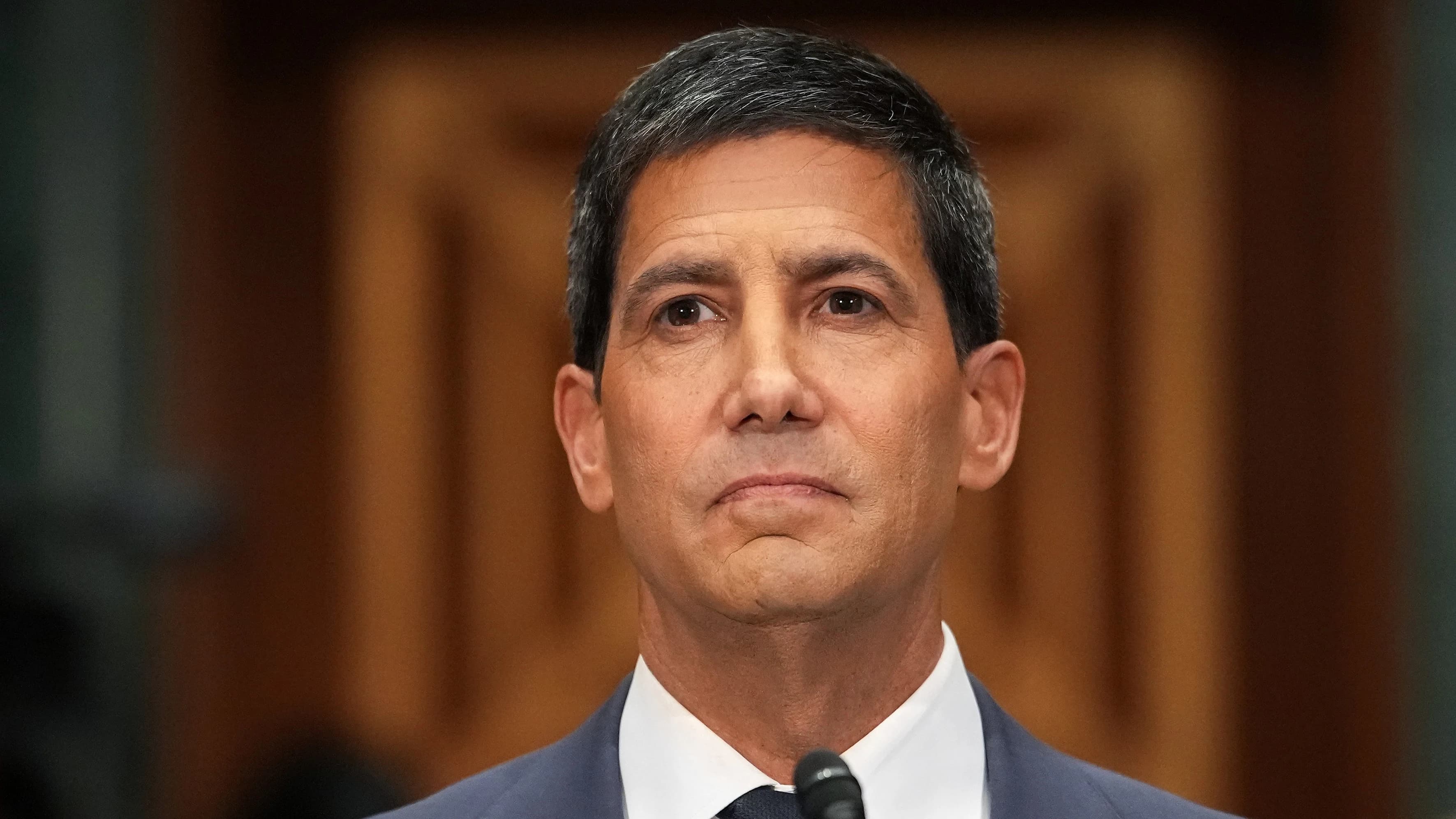
Photo via Inc.
Kevin Warsh's tenure as Federal Reserve Chair is encountering early resistance from bond market participants who are signaling skepticism about his apparent preference for reducing interest rates. According to reporting from Inc., bond traders—often called 'bond vigilantes' for their market-driven disciplinary actions—are actively pushing back against what they perceive as a dovish monetary policy stance, forcing a potential recalibration of expectations around future rate decisions.
For Dallas-area business leaders and investors, this market dynamics matter considerably. Local real estate developers, commercial borrowers, and financial institutions have been monitoring Fed policy closely as it directly influences mortgage rates, commercial lending terms, and overall capital availability. A shift in rate-cut expectations could alter financing conditions for expansion projects, acquisitions, and refinancing activities across North Texas.
The bond market's reaction suggests that sustained inflation concerns or other economic factors may be constraining Warsh's flexibility to pursue an aggressive rate-reduction agenda. When bond yields rise in response to market skepticism, it typically signals investor concerns about future inflation or economic stability—conditions that could prompt Warsh to reconsider the pace and timing of any policy pivots.
As this situation develops, Dallas business decision-makers should closely monitor Fed communications and bond market signals. The outcome of this tension between Warsh's initial policy bias and market expectations could significantly influence borrowing conditions, investment strategies, and economic growth trajectories for companies throughout the region in the coming months.