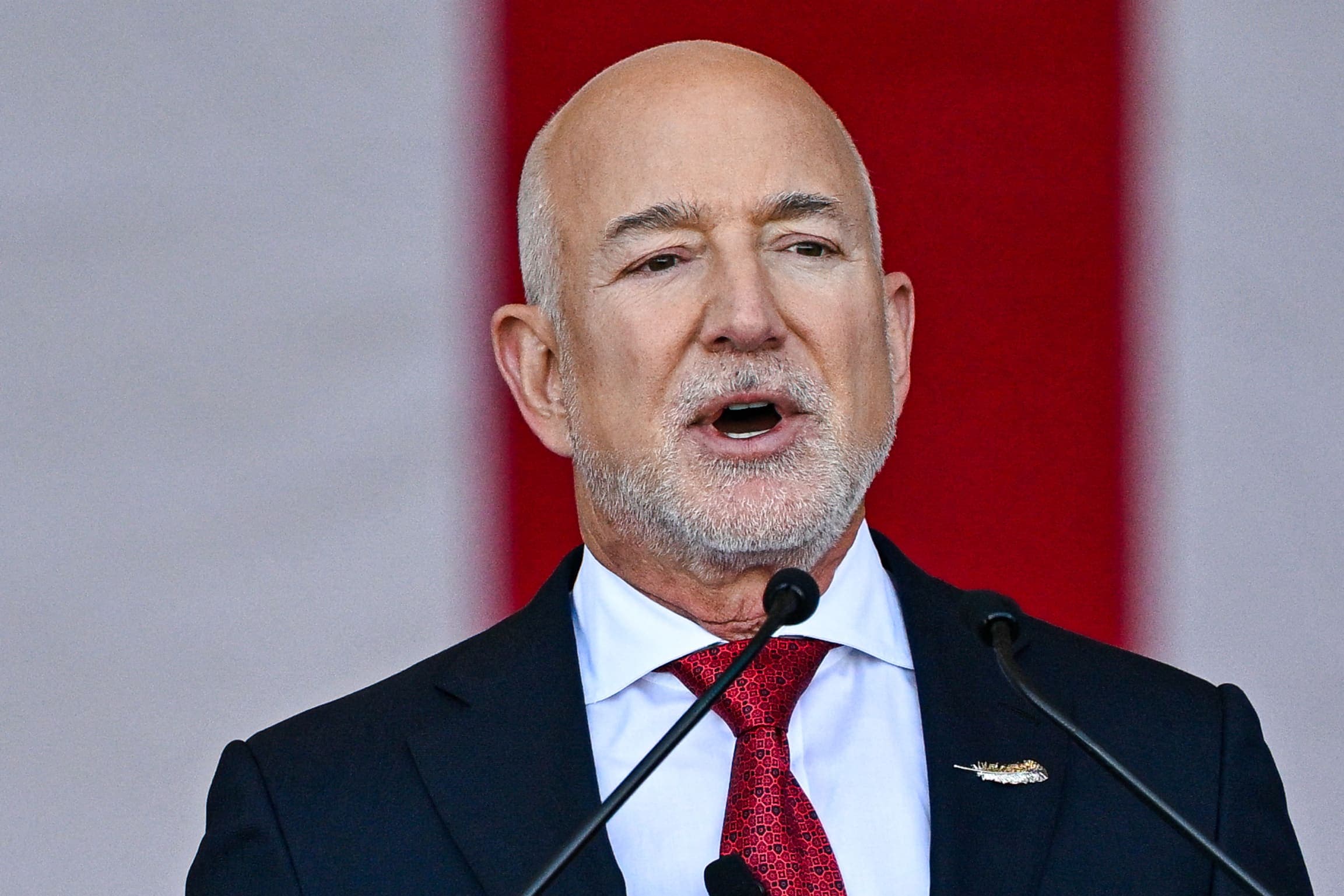
Photo via CNBC Business
Amazon founder Jeff Bezos recently pushed back against claims that he employs the so-called 'buy, borrow, die' tax strategy, according to CNBC Business. The controversial approach has drawn scrutiny from lawmakers and tax policy experts who argue it enables the wealthiest individuals to minimize their tax obligations.
The strategy works by allowing wealthy asset holders to borrow money against their appreciated holdings rather than selling them, thereby avoiding capital gains taxes on the sale. By using the loan proceeds as income, proponents argue they can maintain liquidity while deferring or eliminating tax liabilities. The approach has become increasingly relevant as wealth inequality continues to draw attention from policymakers.
Bezos's denial comes amid broader debate about tax fairness and whether current regulations adequately address wealth preservation tactics used by ultra-high-net-worth individuals and founders. For Dallas-area business leaders and entrepreneurs, the discussion raises important questions about tax planning strategies and potential regulatory changes that could affect wealth management practices.
The timing of Bezos's statement reflects growing pressure on Congress to close perceived loopholes in the tax code. Industry observers expect continued legislative attention on how wealthy investors structure their finances, making it a topic of increasing importance for executives, founders, and financial advisors across Texas.