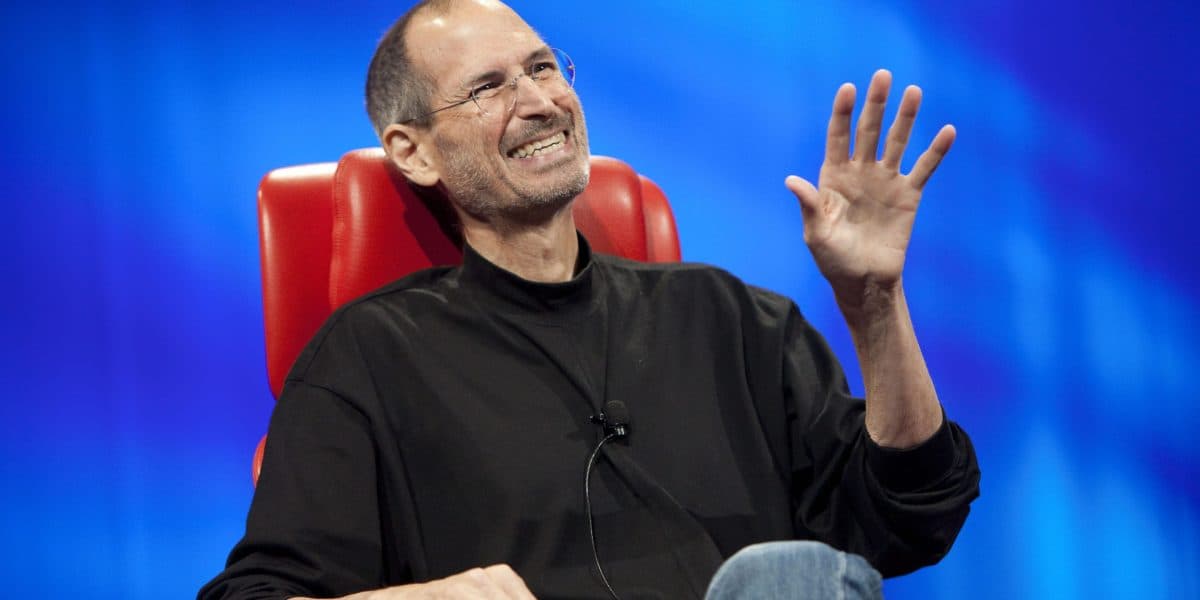
Photo via Fortune
When Steve Jobs interviewed candidates for positions at Apple, he reportedly looked past traditional qualifications to assess something far more intangible: whether he'd genuinely want to spend time with them outside the office. According to Fortune, this informal evaluation method—sometimes called the 'beer test'—became a cornerstone of his hiring philosophy, suggesting that interpersonal chemistry and shared values could be as important as technical expertise.
For Dallas business leaders managing competitive talent markets, Jobs' approach raises an important question: how much weight should personality and cultural alignment carry in hiring decisions? While resumes and skills assessments provide objective data, many hiring managers struggle to quantify the harder-to-measure qualities that determine whether someone will thrive within a specific organizational culture.
The method reflects a broader shift in how forward-thinking companies evaluate fit. Rather than relying solely on credentials, savvy employers increasingly consider whether candidates share the company's vision, communication style, and values. In Dallas's growing tech and startup scenes, where team dynamics can make or break early-stage ventures, this philosophy has particular relevance.
However, experts caution that informal hiring criteria require careful implementation to avoid bias. While Jobs' instinctive approach worked for Apple, modern HR best practices emphasize structured interviews and documented evaluation criteria. The lesson for Dallas employers may be this: assess cultural compatibility thoughtfully, but pair it with rigorous, standardized processes to ensure fair and defensible hiring decisions.