Photo via FreightWaves
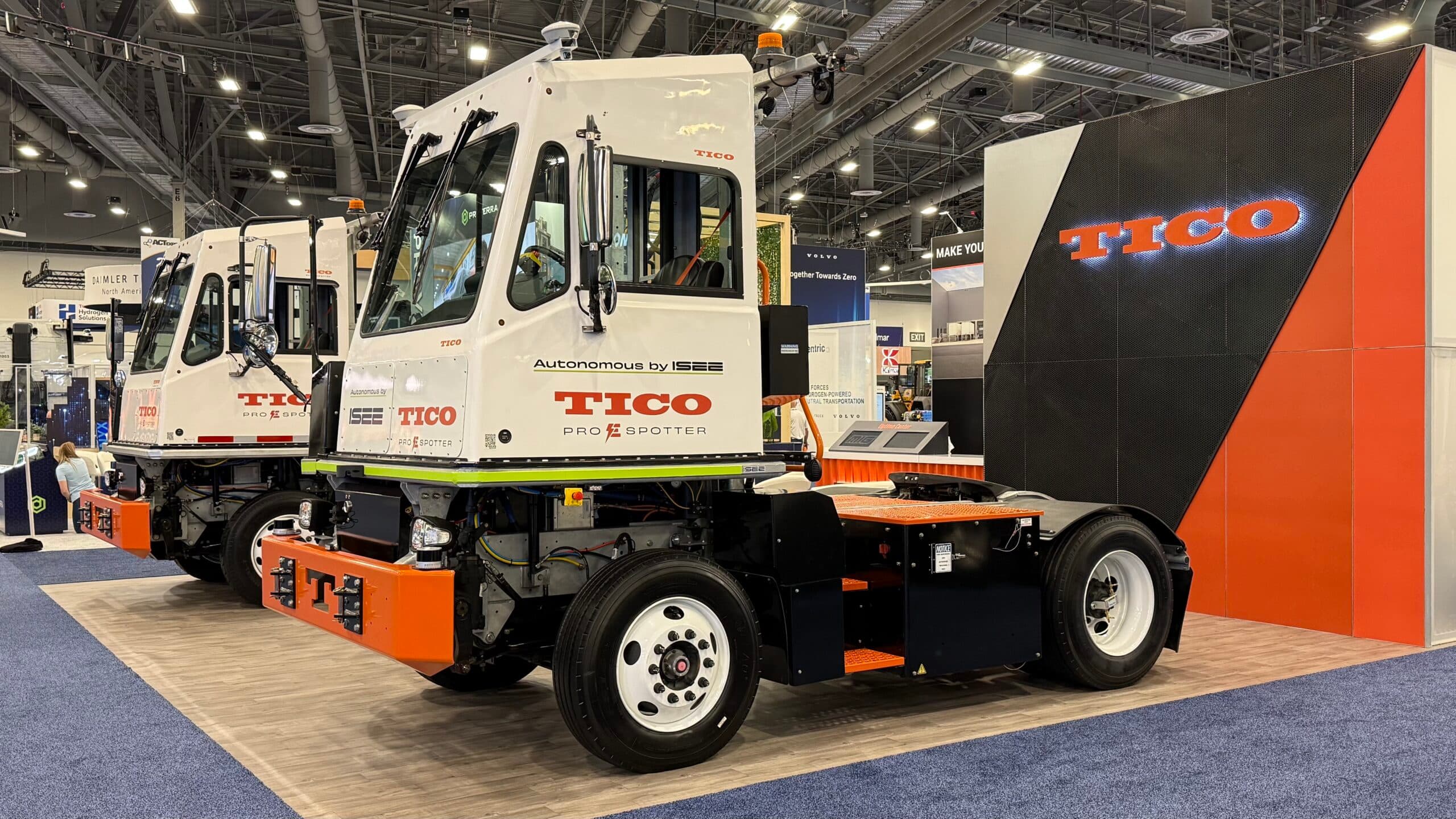
The autonomous trucking sector is shifting its focus from long-haul highways to a more controlled environment: private distribution yards. According to FreightWaves, this pivot represents a significant milestone for the industry, as companies like ISEE AI and TICO prepare to launch production-ready autonomous yard tractors by 2027. For Dallas-area logistics operations and distribution centers, this development signals that autonomous technology may soon become a practical, near-term investment rather than a distant possibility.
Private yards offer distinct advantages for autonomous vehicle deployment compared to public roads. These enclosed environments feature predictable routes, controlled access points, and limited interaction with other traffic—creating ideal conditions for testing and scaling autonomous systems. The closed-loop safety case that companies are now completing represents a crucial regulatory milestone, one that could enable rapid commercialization and accelerate customer adoption across the logistics industry.
The anticipated production timeline suggests that major logistics operators could begin integrating autonomous yard tractors into their operations within the next three years. This timing is particularly relevant for the Dallas-Fort Worth region, home to numerous distribution hubs and major supply chain operations. Early adopters could gain competitive advantages through reduced labor costs and improved operational efficiency during peak shipping seasons.
As ISEE AI and TICO move toward their 2027 targets, industry observers expect hundreds of truck orders to follow once safety certifications are finalized. For Dallas-based freight forwarders, warehouse operators, and logistics companies, understanding this emerging technology now will be essential for staying competitive. The shift to autonomous yard operations represents not a replacement for the trucking workforce, but rather a transformation in how distribution centers manage their most repetitive and labor-intensive tasks.