Photo via The Guardian
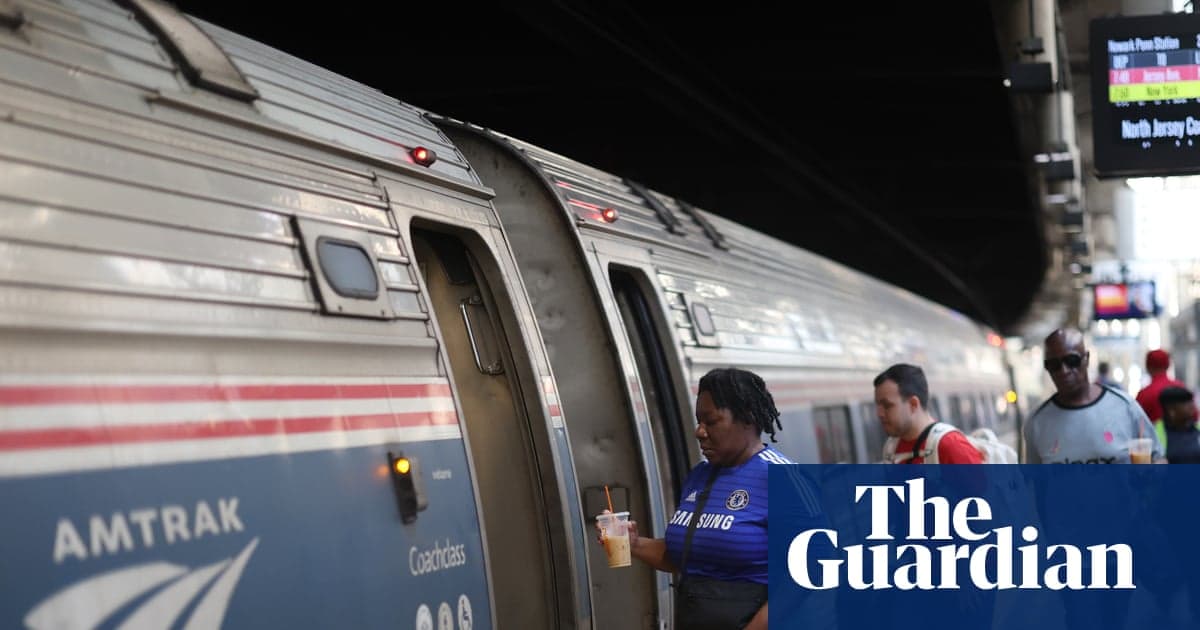
Amtrak is experiencing unprecedented ridership growth, according to The Guardian, prompting industry observers to examine whether the nation's passenger rail network is equipped to handle major sporting events like the upcoming FIFA World Cup. The surge reflects renewed interest in rail travel among American commuters and leisure travelers seeking alternatives to air and automobile transportation.
The rail experience itself appears to be a draw beyond mere point-to-point transit. Passengers report that train travel facilitates meaningful social interaction—from business conversations to cultural connections—that other transport modes don't encourage. This social dimension has proven particularly valuable during major events, as demonstrated during recent high-profile matches that attracted passionate fan bases concentrated on single train routes.
For Dallas-area businesses and travelers, Amtrak's capacity challenges carry direct implications. With the 2026 World Cup matches potentially bringing international visitors to North Texas, demand for regional transit infrastructure will intensify. Local hospitality, transportation, and logistics companies should begin planning for infrastructure bottlenecks and increased pressure on alternative mobility solutions.
The broader question remains whether Amtrak can scale operations to meet demand spikes without compromising service quality. As ridership records continue to fall, infrastructure investment and operational planning will become critical factors determining whether rail remains a viable option for major event attendees and business travelers in competitive markets like Dallas.