Photo via FreightWaves
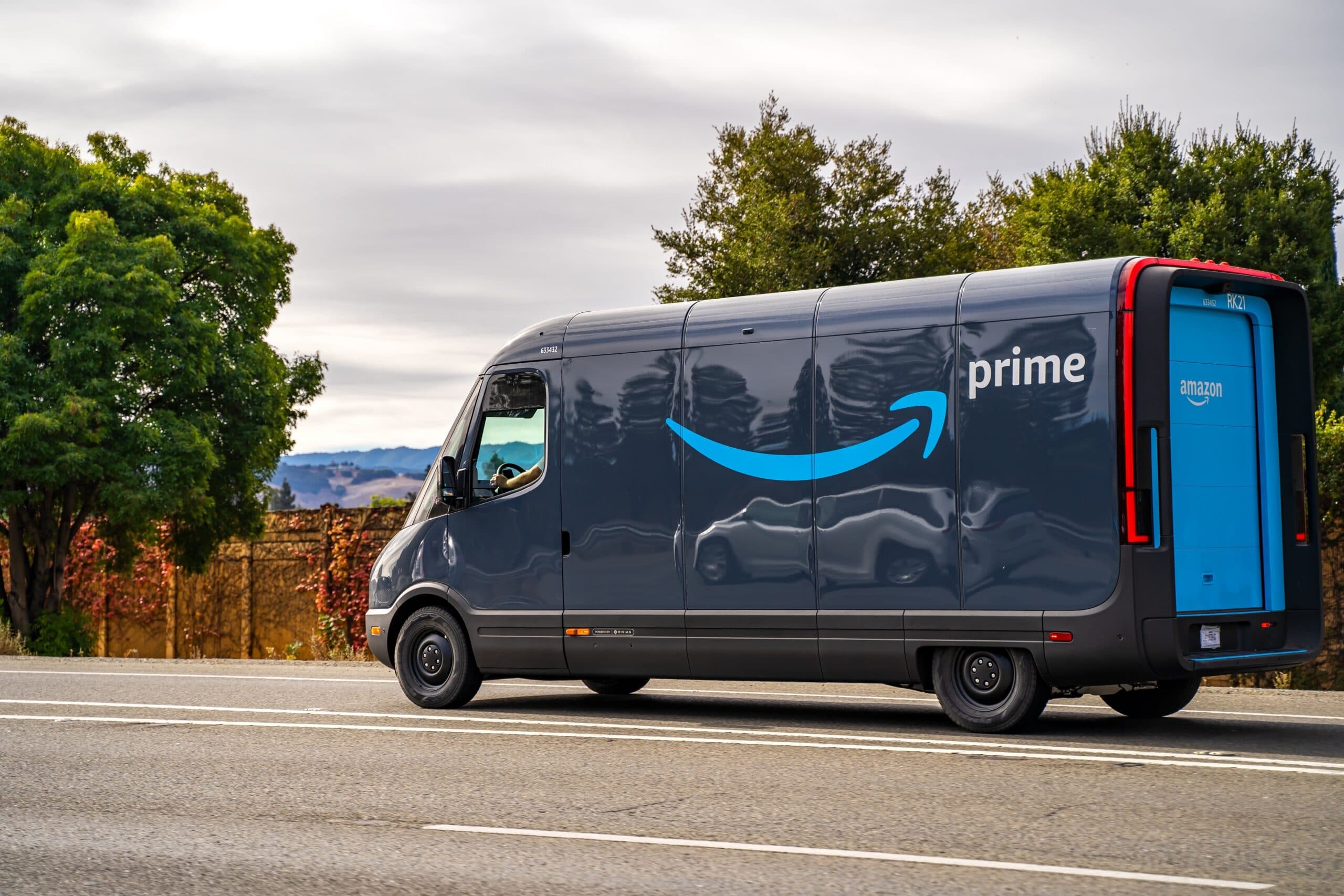
Amazon has reached a settlement with the National Labor Relations Board that resolves a contentious question about the company's relationship with its network of Delivery Service Partners (DSPs). According to FreightWaves, the agreement effectively establishes that Amazon is not a joint employer with these independent delivery contractors, removing a major legal cloud that had hung over the company's logistics operations.
The joint employer designation has become increasingly important in labor law, as regulators and worker advocates scrutinize the gig economy and contract labor arrangements. For Amazon, which relies heavily on DSPs to handle last-mile delivery across the country—including throughout the Dallas-Fort Worth region—the ruling provides crucial clarity for operational planning and compliance.
Dallas-area logistics companies and Amazon-dependent contractors should take note of the precedent. The decision suggests that Amazon's current structure, where DSPs operate as independent entities while using Amazon's technology and standards, will continue without triggering joint employment obligations that could increase labor costs or expose the company to additional worker classification liabilities.
This outcome represents a win for Amazon's business model and may have ripple effects across the broader gig economy and delivery logistics sector. However, the labor landscape continues to shift, and companies relying on contractor models should monitor ongoing regulatory developments at both the federal and state levels, particularly in Texas where workforce classifications remain an active policy area.