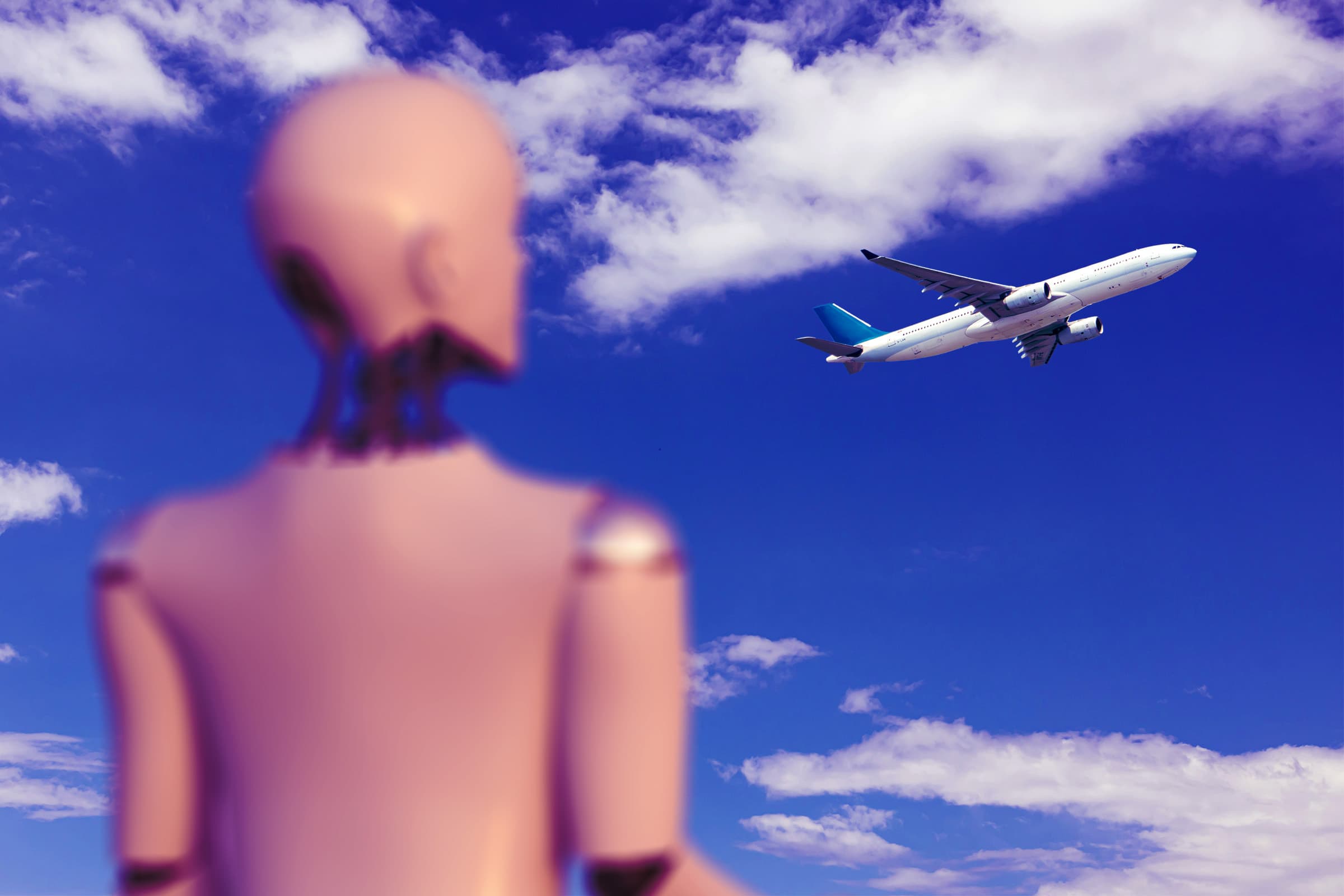
Photo via Futurism
An airline has implemented a policy banning humanoid robots from flights following an on-board disruption, according to reporting from Futurism. The incident underscores growing questions about how the aviation industry will integrate emerging robotic technologies while maintaining operational safety and passenger experience standards.
The decision reflects a broader debate within transportation and logistics sectors about the pace of automation deployment. While many business leaders view robotics as essential to improving efficiency and addressing labor shortages, the airline's experience demonstrates that real-world implementation can surface unexpected challenges that require careful management.
For Dallas-area logistics and transportation companies evaluating automation strategies, this incident offers a cautionary lesson about pilot programs and risk assessment. The decision suggests that successful technology adoption may require more rigorous testing protocols and clearer operational guidelines before widespread deployment in customer-facing environments.
As the aviation and hospitality industries continue exploring robotic solutions for baggage handling, customer service, and ground operations, companies will likely develop more sophisticated frameworks for determining when and where such technology makes sense. The industry's reaction may ultimately shape how Dallas-based transportation firms approach their own automation investments.