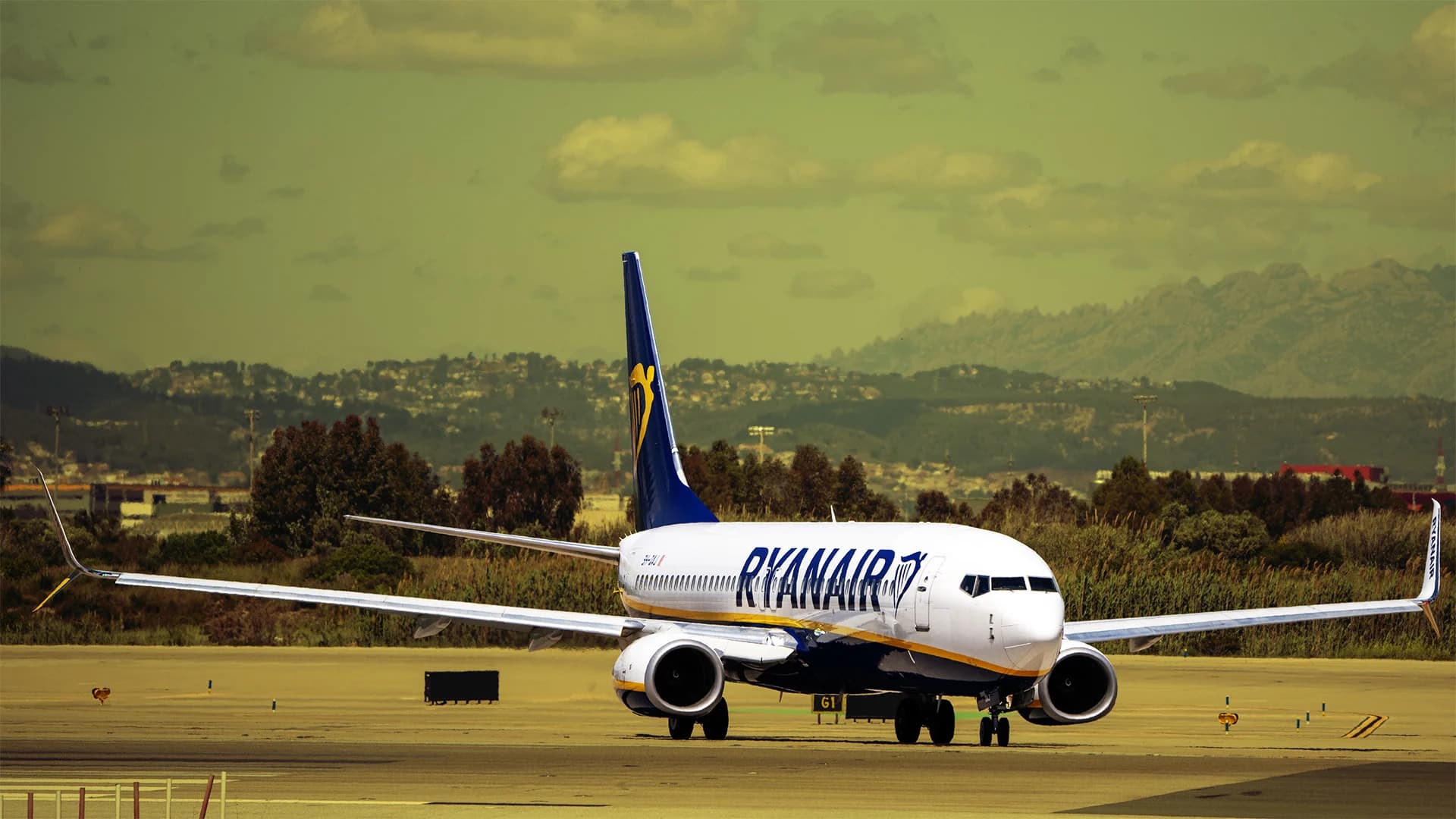
Photo via Inc.
The airline industry is bracing for a potential shakeout this fall, according to analysis from major European carriers who have already secured their fuel supplies for peak summer travel. The dynamic underscores how fuel hedging strategies—locking in prices months in advance—create winners and losers in an industry where operational margins are razor-thin. For Dallas-Fort Worth, a major aviation hub, the stability of regional carriers directly impacts connectivity, cargo operations, and business travel options.
According to industry sources, carriers that failed to hedge their fuel exposure adequately face mounting pressure as energy prices remain volatile. This structural advantage for well-capitalized airlines could accelerate consolidation, particularly among regional operators and newer entrants. The anticipated market correction could reshape Dallas's competitive airline landscape, potentially affecting service to smaller Texas markets and reducing options for corporate travelers.
Despite the industry turbulence, major carriers are signaling they will maintain competitive pricing through the fall season to preserve market share. This strategy—keeping fares relatively flat while squeezing costs elsewhere—means Dallas business travelers and logistics companies relying on air freight may see continued accessibility to affordable capacity, even as weaker competitors exit the market.
The anticipated "armageddon" for undercapitalized airlines reflects broader trends in aviation economics: scale, financial discipline, and access to capital increasingly determine survival. For Dallas's business community, this consolidation may ultimately mean fewer but larger carriers, potentially simplifying route planning and corporate travel negotiations while reducing direct competition on key routes serving North Texas.