Photo via Fortune
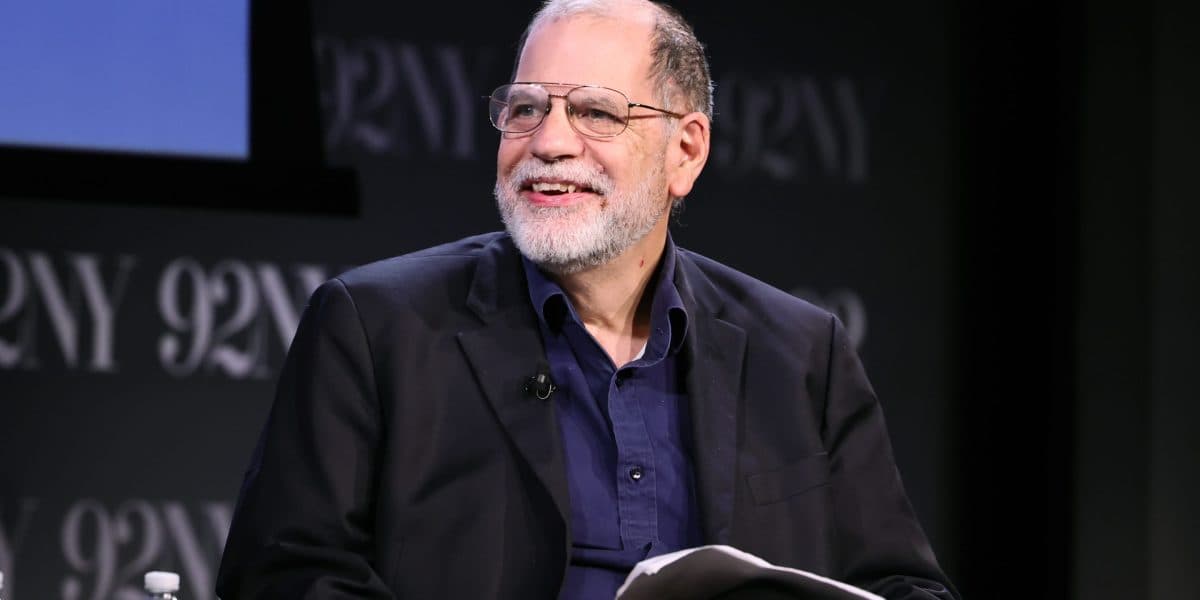
Renowned economist Tyler Cowen is pushing back against doomsday predictions about artificial intelligence and the job market. Rather than sparking widespread unemployment, Cowen argues that most Americans will find the AI-driven economy feels comparatively normal—perhaps even more satisfying than today's landscape. This perspective offers a more nuanced view than the apocalyptic narratives dominating headlines, suggesting the transition may be less catastrophic than feared.
However, Cowen's optimism comes with a significant caveat: certain professional sectors will face outsized disruption. Lawyers and bankers, in particular, should brace for substantial change as AI handles routine analytical work, document review, and transaction processing. Dallas's thriving financial services hub and robust legal community should pay close attention to how these technologies reshape demand for traditional services in coming years.
The distinction Cowen makes is crucial for Dallas business leaders planning workforce strategy. Rather than a broad-based employment crisis, expect targeted upheaval in knowledge-intensive fields where AI can replicate cognitive work. Professional services firms in the metroplex may need to reimagine roles, retrain staff, and develop new value propositions that emphasize human judgment, relationship management, and creative problem-solving.
For Dallas executives across industries, the takeaway is clear: prepare for selective disruption rather than universal dislocation. Companies that proactively address AI integration in their operations and invest in workforce development will likely navigate the transition more smoothly than those caught off-guard by rapid technological change.